

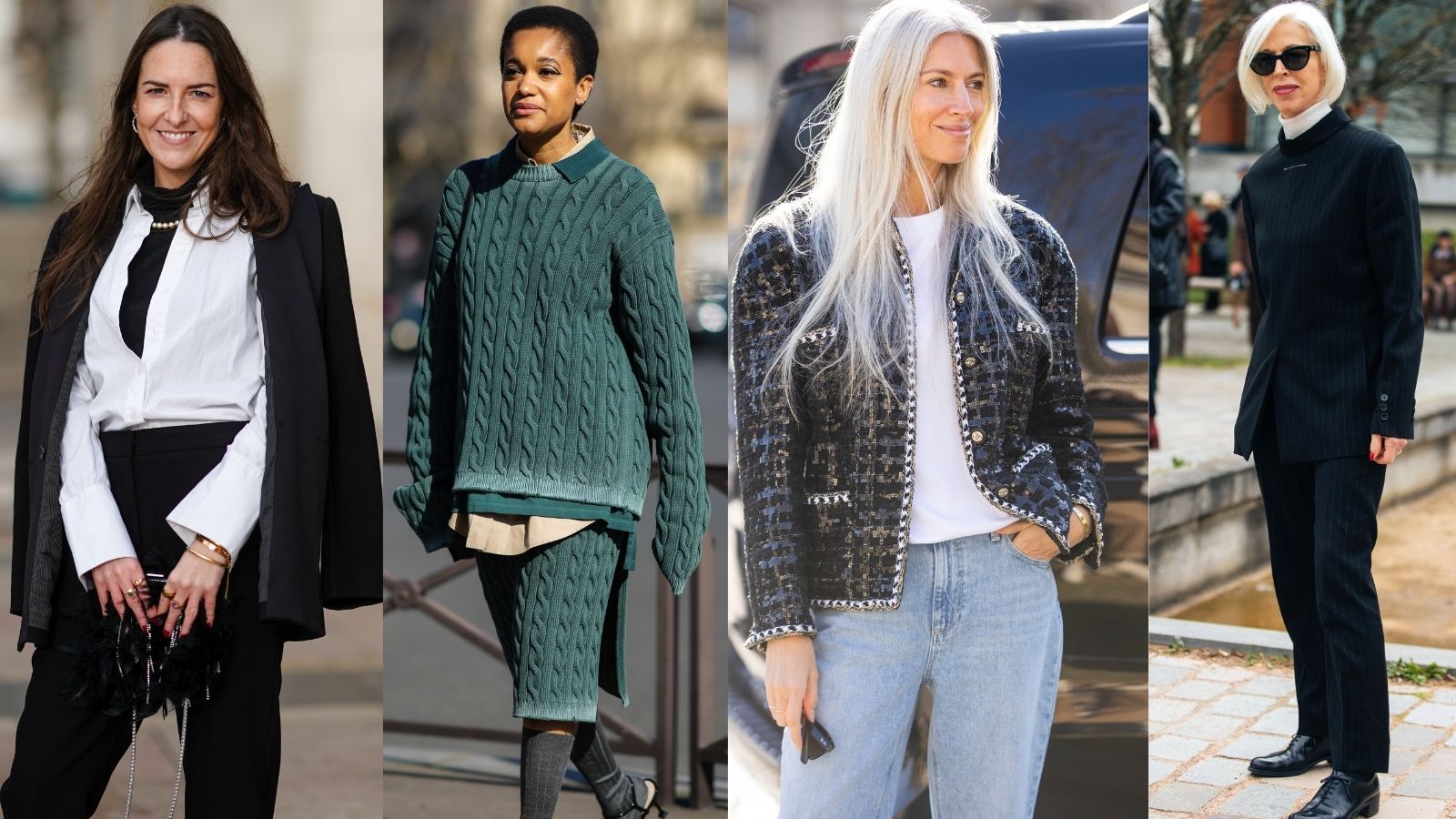
Fashion is a powerful form of personal expression, but creating a stylish wardrobe does not require following every new trend. Good style often comes from understanding what works for your lifestyle, choosing clothing that fits properly, and combining practical essentials with a few distinctive pieces. A thoughtful wardrobe can make everyday dressing easier while helping you feel comfortable and confident.
As fashion continues to change, consumers have more choices than ever. New collections, changing trends, and different styling ideas can provide inspiration, but the foundation of a useful wardrobe remains fairly simple. Quality, versatility, comfort, and personal preference should guide most clothing decisions.
Start With Wardrobe Essentials
A practical wardrobe begins with basic pieces that can be worn in several different ways. These items may not always attract immediate attention, but they provide the foundation for countless outfits.
Useful essentials can include:
- Well-fitting shirts and tops
- Comfortable trousers or jeans
- A versatile jacket
- Simple knitwear
- Everyday footwear
- Occasion-appropriate clothing
- A practical bag
- Basic accessories
The goal is not to own as many items as possible. Instead, choose pieces that work well together and suit your regular activities.
For example, a simple shirt can be worn with jeans for a casual appearance or combined with tailored trousers for a more polished setting. Versatile clothing provides more value because it can serve multiple purposes.
Choose the Right Fit
Fit is one of the most important elements of fashion. Clothing that fits properly can create a cleaner and more balanced appearance, regardless of its price.
When shopping, pay attention to shoulder placement, sleeve length, waist fit, trouser length, and overall comfort. Clothing should allow reasonable movement without appearing excessively loose or restrictive.
Different styles naturally have different shapes. Relaxed clothing can provide a casual appearance, while structured pieces may create a more formal look. Neither approach is automatically better. The important factor is whether the proportions work well together.
If a garment is almost right but needs a small adjustment, simple tailoring can sometimes make it much more useful.
Build Around a Color Palette
A coordinated color palette can make a wardrobe easier to manage. Neutral shades provide flexibility because they can be combined with many other colors.
Black, white, navy, gray, cream, brown, and similar tones can form a strong foundation. Once these colors are established, brighter shades can be introduced through selected clothing or accessories.
There is no need to restrict yourself to a narrow palette. The purpose of coordination is simply to make outfit combinations easier.
For people who enjoy experimenting, a neutral base provides an opportunity to introduce stronger colors without making every item visually demanding.
Balance Trends With Timeless Pieces
Fashion trends can make a wardrobe feel fresh, but they can also become outdated quickly. A balanced approach is to combine modern trends with timeless clothing.
For example, a classic pair of trousers can be styled with a current-season shirt or jacket. A simple outfit can also be updated with modern footwear or accessories.
Before buying a trend-driven item, consider whether it fits your existing wardrobe. If it works with several pieces you already own, it is more likely to provide lasting value.
Trends should inspire creativity rather than create pressure to constantly replace clothing.
Invest in Quality Where It Matters
Quality does not always mean choosing the most expensive option. It means considering construction, fabric, stitching, durability, and how frequently the item will be used.
Certain wardrobe pieces may deserve more attention because they are worn regularly. Everyday footwear, outerwear, trousers, and frequently used bags can benefit from durable construction.
For less frequently worn items, a lower-cost option may be perfectly practical if it meets your needs.
A useful question when shopping is not simply, “How much does this cost?” but “How often will I use it, and how long is it likely to remain useful?”
Dress for Your Lifestyle
Fashion should support everyday life rather than make it more difficult. Someone who spends most of the day in an office may need more formal clothing, while a person who works outdoors may prioritize durability and comfort.
Travel, climate, hobbies, social activities, and professional responsibilities can all influence wardrobe choices.
A practical wardrobe should reflect real routines. Buying clothing for an imaginary lifestyle often leads to unused items taking up valuable space.
Consider what you actually do during a typical week. Your wardrobe should provide suitable options for those situations.
Make Accessories Work for You
Accessories can add personality without requiring a completely different outfit. A watch, belt, scarf, bag, jewelry, sunglasses, or distinctive footwear can change the overall impression of simple clothing.
Accessories are also an easy way to experiment with trends. Instead of buying a large amount of trend-focused clothing, a person can introduce new colors or designs through smaller items.
Balance is important. Too many competing accessories can make an outfit appear crowded, while carefully selected pieces can create a polished finish.
Take Care of Your Clothing
Proper clothing care can extend the life of a wardrobe. Washing garments according to their care instructions, avoiding unnecessary high heat, storing delicate pieces appropriately, and repairing minor damage can make clothing last longer.
Shoes also require regular cleaning and appropriate storage. Bags and accessories should be protected from excessive moisture, dust, and unnecessary wear.
Taking care of clothing is beneficial financially as well as environmentally. The longer a garment remains useful, the less often it needs to be replaced.
Fashion and Confidence
Clothing can influence how people feel about themselves. When an outfit fits well and suits the occasion, it can provide a sense of comfort and confidence.
However, fashion should not become a source of constant pressure. There is no universal standard for personal style. People have different bodies, preferences, cultures, lifestyles, and budgets.
The most successful approach is to understand your own needs and make choices that feel authentic.
Conclusion
A stylish wardrobe does not depend on having unlimited clothing or following every fashion trend. It comes from choosing useful essentials, paying attention to fit, coordinating colors, selecting quality where appropriate, and allowing personal preferences to guide decisions.
Fashion is most enjoyable when it supports individuality rather than creating pressure. With a thoughtful approach, even a modest wardrobe can provide plenty of variety, comfort, and confidence for everyday life.
