

Why modern marinas are shifting toward smarter storage systems
Boating has always been tied to convenience, access, and lifestyle. But traditional dockage systems often come with limitations that can affect how frequently people actually use their boats. Weather exposure, maintenance demands, and long wait times for launching can make ownership more complicated than expected. As marina spaces become more valuable and boat ownership grows, the need for efficient storage solutions has become more pressing.
This is where modern infrastructure and automation are reshaping expectations. Instead of relying solely on wet slips or manual storage methods, many marinas are adopting vertically integrated systems that improve space usage and reduce operational friction. These systems not only maximize capacity but also streamline the entire process of storing and launching boats. The result is a more accessible and user-friendly boating experience.
The shift from traditional dockage to automated systems
Traditional dockage has served boaters for decades, but it comes with inherent inefficiencies. Boats stored in water are exposed to constant environmental wear, including algae buildup, corrosion, and storm damage. These factors increase maintenance costs and reduce long-term vessel performance. As a result, many boat owners are looking for alternatives that better protect their investment.
Automated systems introduce a different approach by removing boats from constant water exposure. Instead of leaving vessels tied to docks, they are lifted and stored in controlled environments. This reduces cleaning needs and extends the life of both the boat and its components. It also allows marinas to serve more boats in the same physical footprint.
How automated dry stack systems actually work
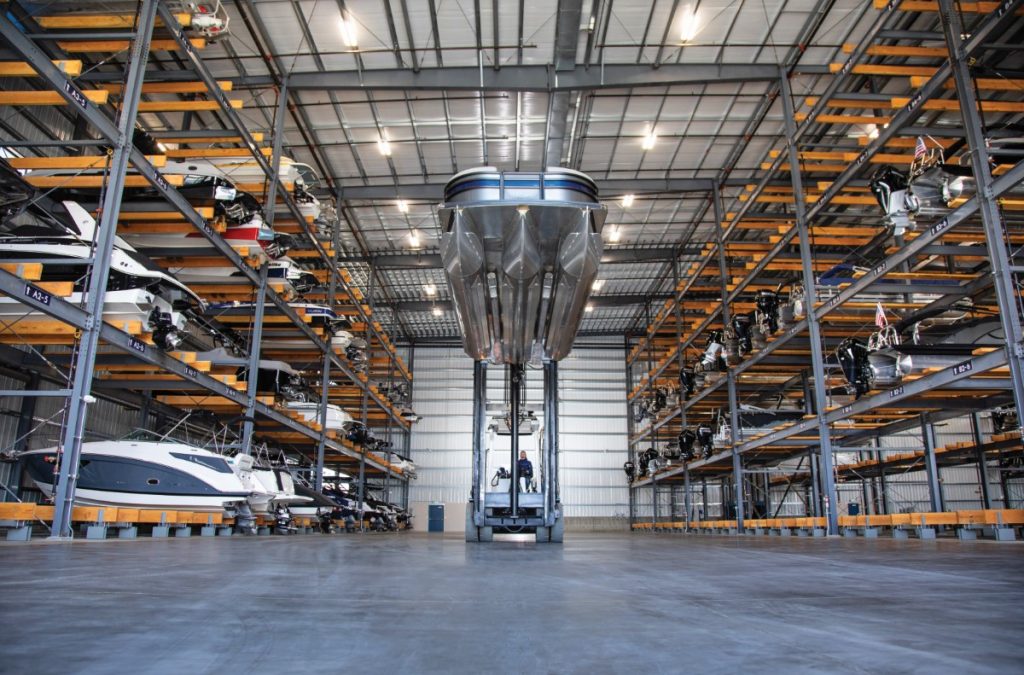
At the core of modern marina innovation is the dry stack system, which uses vertical racking and mechanical lifts to store boats efficiently. These systems are designed to handle multiple vessels stacked in reinforced storage bays. When a boat owner wants to use their vessel, it is retrieved using automated machinery and placed directly into the water. This process eliminates the need for manual hauling or trailer transport.
The technology behind these systems is built around precision and safety. Sensors, hydraulic lifts, and computerized scheduling all work together to ensure smooth operation. This level of automation reduces human error and speeds up retrieval times significantly. It also allows marina staff to manage larger volumes of boats with fewer resources.
Step-by-step process of automated boat retrieval
When a boat owner requests their vessel, the system locates its assigned storage position. Automated cranes or lift systems then carefully remove the boat from its rack. The vessel is lowered into a designated launch area, typically within minutes. This entire process is designed to minimize wait times and reduce congestion at the marina.
Once the boat is returned, it is lifted back into storage using the same system. Each movement is tracked and controlled to ensure safety and accuracy. This consistency allows marinas to maintain high operational efficiency. It also gives boat owners predictable access to their vessels without manual coordination.
Benefits of dry stack storage for boat owners and marinas
One of the biggest advantages of dry stack systems is improved protection for boats. By keeping vessels out of the water when not in use, marinas reduce exposure to salt, algae, and weather-related damage. This helps preserve hull integrity and mechanical systems over time. It also reduces the frequency of costly maintenance and repairs.
For marinas, these systems provide a significant increase in space efficiency. Vertical storage allows operators to accommodate more boats without expanding shoreline infrastructure. This is especially valuable in areas where waterfront space is limited or highly regulated. In many cases, automated systems allow marinas to double or even triple their storage capacity.
Cost efficiency and long-term value considerations
While automated systems require an upfront investment, they often deliver long-term cost savings. Reduced maintenance needs and improved operational efficiency help balance initial installation costs. Boat owners also benefit from lower upkeep expenses due to reduced environmental exposure. Over time, these savings can become substantial.
Another important factor is time efficiency. Traditional methods of launching boats can involve long waits and manual coordination. Automated systems streamline this process, making boating more spontaneous and accessible. This convenience often increases how frequently owners actually use their boats.
Operational advantages for marina management
From a management perspective, automated systems simplify daily operations. Staff no longer need to coordinate complex manual storage or retrieval tasks. Instead, the system handles most logistical processes automatically. This allows employees to focus on customer service and facility maintenance.
Safety is another major advantage. Fewer manual handling requirements reduce the risk of accidents or injuries. Controlled mechanical systems are designed to follow strict safety protocols, which improves overall marina reliability. This creates a more stable and predictable working environment for staff.
Reducing congestion and improving customer experience
Marinas that rely on traditional launch ramps often experience congestion during peak hours. Automated systems help eliminate this bottleneck by streamlining boat movement. Since retrieval is scheduled and controlled, traffic flow remains steady and organized. This improves the overall experience for boat owners and visitors.
A smoother launch process also enhances customer satisfaction. Instead of waiting in long lines, boaters can plan their trips more efficiently. This predictability is one of the key reasons many modern facilities invest in automation. It transforms boating from a time-consuming process into a more enjoyable activity.
Environmental considerations in modern storage design
Environmental impact is becoming an increasingly important factor in marina development. Dry stack systems help reduce water pollution by minimizing hull exposure and limiting the need for frequent chemical cleaning. They also reduce fuel waste caused by idling during long dock waits. These improvements contribute to a more sustainable boating environment.
In addition, more efficient land use helps preserve natural waterfront areas. By building vertically instead of expanding outward, marinas can reduce shoreline disruption. This helps protect surrounding ecosystems and maintain natural habitats. Sustainability is now a key consideration in modern marina planning.
How controlled storage supports cleaner waterways
Keeping boats out of the water when not in use helps reduce the spread of invasive species. Hull fouling is a major contributor to ecological imbalance in many waterways. Dry storage limits this risk by minimizing prolonged water exposure. As a result, local marine environments benefit from reduced contamination.
Controlled environments also make it easier to monitor and maintain environmental standards. Marinas can implement cleaning protocols and waste management systems more effectively. This creates a more responsible approach to boating infrastructure. Over time, these practices help improve water quality and ecosystem health.
Challenges and limitations of automated marina systems
Despite their advantages, automated systems are not without challenges. Installation costs can be significant, making them less accessible for smaller facilities. Structural requirements also mean that not every marina can easily retrofit existing infrastructure. These limitations require careful planning and investment.
Another consideration is system maintenance. While automation reduces manual labor, it introduces reliance on mechanical and digital systems. Regular inspections and technical support are essential to ensure consistent operation. Without proper maintenance, system downtime can affect service availability.
Balancing technology with human oversight
Even with advanced automation, human oversight remains important. Staff are still needed to monitor operations, handle exceptions, and assist customers. Technology enhances efficiency, but it does not fully replace human judgment. A balanced approach ensures both reliability and adaptability.
Training also plays a key role in successful implementation. Employees must understand how to operate and troubleshoot systems effectively. This reduces downtime and improves overall service quality. When technology and human expertise work together, marinas operate at a higher level of efficiency.
The future of marina infrastructure and storage innovation
As boating continues to grow in popularity, demand for smarter storage solutions is expected to increase. Automated dry stack systems represent just one step in a broader shift toward intelligent marina design. Future developments may include more advanced scheduling software, energy-efficient lifts, and integrated digital management platforms.
These innovations will likely continue to reshape how people interact with boating facilities. Convenience, safety, and environmental responsibility are becoming central priorities. In this evolving landscape, solutions like modern marina boat storage systems are setting new standards for efficiency and accessibility. The result is a more seamless experience for both operators and boat owners.
What boaters can expect in the coming years
Looking ahead, boaters can expect faster access, improved protection, and more personalized service options. Digital integration will likely make scheduling and retrieval even more seamless. Mobile apps and automated systems may allow users to manage their boating experience remotely. This level of convenience reflects broader trends in automation across industries.
At the same time, sustainability will continue to influence design choices. Energy-efficient systems and eco-friendly materials will become more common in marina construction. These improvements will help balance recreation with environmental responsibility. The future of boating infrastructure is likely to be both more advanced and more sustainable.

Comments are closed.