

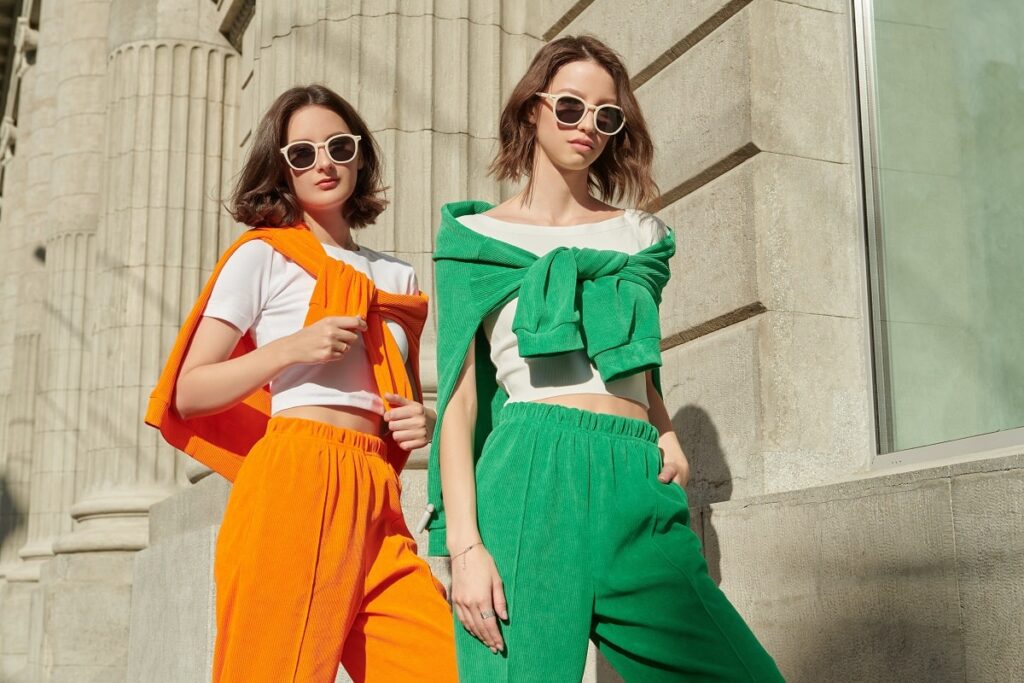
Fashion is far more than just clothing. It represents culture, identity, and social influence, intertwining personal expression with global trends. Fashion evolves constantly, reflecting societal values, technological advances, and creative innovation. From haute couture to streetwear, sustainable design to digital fashion, the world of fashion encompasses an intricate network of designers, consumers, influencers, and markets. Understanding fashion requires examining its history, contemporary trends, technological integration, economic impact, and the psychological significance of style in human life.
The Historical Evolution of Fashion
Ancient and Traditional Clothing
Fashion has deep historical roots, evolving alongside human civilization.
- Ancient Societies: In ancient Egypt, Greece, and Rome, clothing symbolized social status, profession, and gender identity. Linen, wool, and silk were primary fabrics, often dyed or adorned to indicate rank.
- Medieval and Renaissance Fashion: Clothing reflected hierarchy, wealth, and political affiliation. Garments were highly elaborate for the aristocracy, with embroidery, jewels, and luxurious fabrics.
- Traditional Attire Across Cultures: Every culture developed distinctive styles. Kimonos in Japan, saris in India, and dashikis in West Africa highlight how fashion preserves heritage and conveys cultural identity.
These early developments established fashion not only as functional attire but also as a statement of individuality and societal role.
The Rise of Modern Fashion
The Industrial Revolution and urbanization transformed fashion from a localized cultural expression into a globalized industry.
- Textile Innovations: Mechanized weaving and mass production allowed clothing to be produced faster and more affordably.
- Fashion Houses: Paris became the epicenter of haute couture, with designers like Charles Frederick Worth setting the standard for bespoke elegance.
- 20th Century Influence: Iconic movements such as the flapper style of the 1920s, the mod fashion of the 1960s, and punk aesthetics in the 1970s highlighted how social change influences fashion trends.
Modern fashion emerged as both an art form and a commercial enterprise, with trends spreading globally through media and retail.
Contemporary Fashion Trends
Streetwear and Urban Culture
Streetwear has shifted fashion from elite circles to urban communities, blending comfort, self-expression, and cultural commentary.
- Origins: Rooted in skate, hip-hop, and sports culture, streetwear emphasizes sneakers, hoodies, graphic tees, and relaxed silhouettes.
- Global Influence: Streetwear brands now collaborate with luxury designers, creating crossover appeal.
- Consumer Identity: Wearing streetwear communicates cultural awareness and individual style while reflecting social belonging.
Streetwear exemplifies how fashion adapts to everyday life while influencing broader style narratives.
Sustainable and Ethical Fashion
As environmental concerns rise, sustainable fashion has become a central focus for designers and consumers.
- Eco-Friendly Materials: Organic cotton, bamboo fibers, and recycled fabrics reduce environmental impact.
- Ethical Production: Fair wages, safe working conditions, and transparent supply chains ensure socially responsible fashion.
- Consumer Trends: Eco-conscious buyers prioritize longevity, quality, and circular fashion practices such as upcycling and renting.
Sustainable fashion merges style with responsibility, proving that aesthetics and ethics can coexist.
Luxury and Haute Couture
Luxury fashion continues to set benchmarks for craftsmanship, creativity, and exclusivity.
- High-End Craftsmanship: Designers utilize hand-stitched garments, premium fabrics, and intricate detailing.
- Brand Legacy: Fashion houses like Chanel, Gucci, and Dior maintain influence by blending tradition with contemporary innovation.
- Exclusive Experiences: Runway shows, private boutiques, and limited releases create aspirational value beyond clothing alone.
Luxury fashion represents the pinnacle of creativity, often influencing trends across all market segments.
Digital Fashion and Innovation
Technology has revolutionized how fashion is designed, marketed, and consumed.
- Virtual Runways: Fashion shows are streamed globally, creating immersive experiences with interactive elements.
- 3D Design and Printing: Designers now use digital tools to prototype garments and accessories with precision and efficiency.
- Digital Clothing: NFTs, AR filters, and virtual wardrobes allow consumers to “wear” outfits in digital spaces, merging fashion with the metaverse.
Digital fashion expands possibilities for creativity, accessibility, and consumer engagement.
The Psychological and Social Impact of Fashion
Self-Expression and Identity
Clothing allows individuals to communicate personality, beliefs, and social positioning.
- Nonverbal Communication: Choices in color, texture, and style convey moods, preferences, and affiliations.
- Gender and Fashion: Clothing increasingly transcends traditional gender norms, allowing for fluid expression and inclusivity.
- Cultural Signifiers: Fashion reflects cultural identity, signaling heritage, social roles, and community belonging.
Through style, fashion becomes a medium for identity construction and social interaction.
Fashion and Mental Well-Being
Dressing thoughtfully can impact self-confidence, perception, and emotional health.
- Confidence Boost: Wearing clothing that aligns with personal taste can increase self-esteem and assertiveness.
- Mood Influence: Colors and styles can affect mood, energy, and interpersonal dynamics.
- Creative Outlet: Styling outfits, mixing textures, and accessorizing offer opportunities for creativity and personal fulfillment.
Fashion serves as both a mirror and a tool, influencing how individuals feel and interact with the world.
Economic and Industry Significance
Global Market Influence
Fashion is a multi-trillion-dollar industry with wide-ranging economic implications.
- Employment Opportunities: Designers, tailors, marketers, photographers, and stylists contribute to a vast global workforce.
- Retail and E-Commerce: Online platforms allow brands to reach international markets, boosting trade and consumer choice.
- Innovation and Technology Investment: AI-driven inventory management, predictive analytics, and virtual fitting technologies transform efficiency and consumer satisfaction.
Fashion’s economic impact is far-reaching, affecting local economies, global markets, and technological development.
Influencer Culture and Media
Social media has become a critical driver of fashion trends and consumer behavior.
- Influencer Marketing: Bloggers, Instagram personalities, and TikTok creators shape purchasing decisions and brand perception.
- Content-Driven Trends: Short videos, photoshoots, and livestream shopping events create interactive consumer experiences.
- Democratization of Fashion: Social media allows emerging designers and small brands to gain recognition without traditional gatekeepers.
Influencer culture underscores how fashion is as much about perception and visibility as it is about design.
Challenges in the Fashion Industry
Environmental and Ethical Concerns
Fast fashion and overproduction create pressing sustainability issues.
- Resource Consumption: Water-intensive fabrics, chemical dyes, and energy-heavy production processes contribute to environmental degradation.
- Labor Exploitation: Low-cost labor in developing countries often leads to unsafe working conditions.
- Waste Management: Clothing disposal contributes to landfill accumulation, highlighting the need for circular fashion models.
Addressing these concerns is critical for creating a responsible and sustainable fashion ecosystem.
Market Saturation and Consumerism
Excessive trends and constant releases can overwhelm consumers and dilute quality.
- Trend Fatigue: Rapidly changing collections create pressure to continuously purchase, fostering short-term consumption cycles.
- Price Pressure: Competing with low-cost production often compromises craftsmanship and durability.
- Digital Distractions: Social media amplifies desire for instant gratification, influencing impulsive buying behaviors.
Balanced approaches in design, marketing, and consumption can mitigate these challenges.
Accessibility and Inclusivity
Fashion must address the diversity of consumers in terms of size, gender, ability, and culture.
- Size Inclusivity: Offering extended sizes ensures representation and accessibility.
- Adaptive Fashion: Clothing designed for individuals with disabilities promotes independence and comfort.
- Cultural Representation: Designs that honor and authentically reflect diverse cultures enhance global resonance.
Inclusivity ensures that fashion resonates with broader audiences while promoting equity and social awareness.
The Future of Fashion
Sustainable Innovation
Emerging trends indicate a shift toward eco-conscious design, production, and consumption.
- Regenerative Materials: Organic, biodegradable, and recycled fabrics are replacing conventional textiles.
- Circular Fashion Models: Upcycling, rental services, and resale platforms reduce environmental impact.
- Consumer Awareness: Buyers increasingly prioritize ethical and sustainable brands, influencing industry practices.
Sustainable fashion represents a fusion of creativity, responsibility, and long-term vision.
Integration with Technology
Fashion is becoming increasingly digital, interactive, and AI-driven.
- Smart Clothing: Embedded sensors monitor health, performance, or environmental factors.
- Virtual Try-On: AR mirrors and digital wardrobes improve online shopping experiences and reduce return rates.
- Metaverse Fashion: Digital garments, NFTs, and virtual runway shows redefine ownership and style expression.
Technological integration allows fashion to transcend physical limitations, offering unprecedented innovation and engagement.
Global and Cultural Fusion
Fashion will continue to blend cultural traditions, modern trends, and cross-border collaborations.
- Collaborative Collections: International partnerships merge aesthetic traditions and market strategies.
- Cultural Storytelling: Designers incorporate historical or cultural narratives into modern design, enhancing authenticity.
- Consumer Participation: Crowdsourcing trends and digital communities influence the direction of global fashion.
The future of fashion emphasizes creativity, inclusivity, and cross-cultural resonance, reflecting a dynamic global society.

Comments are closed.