

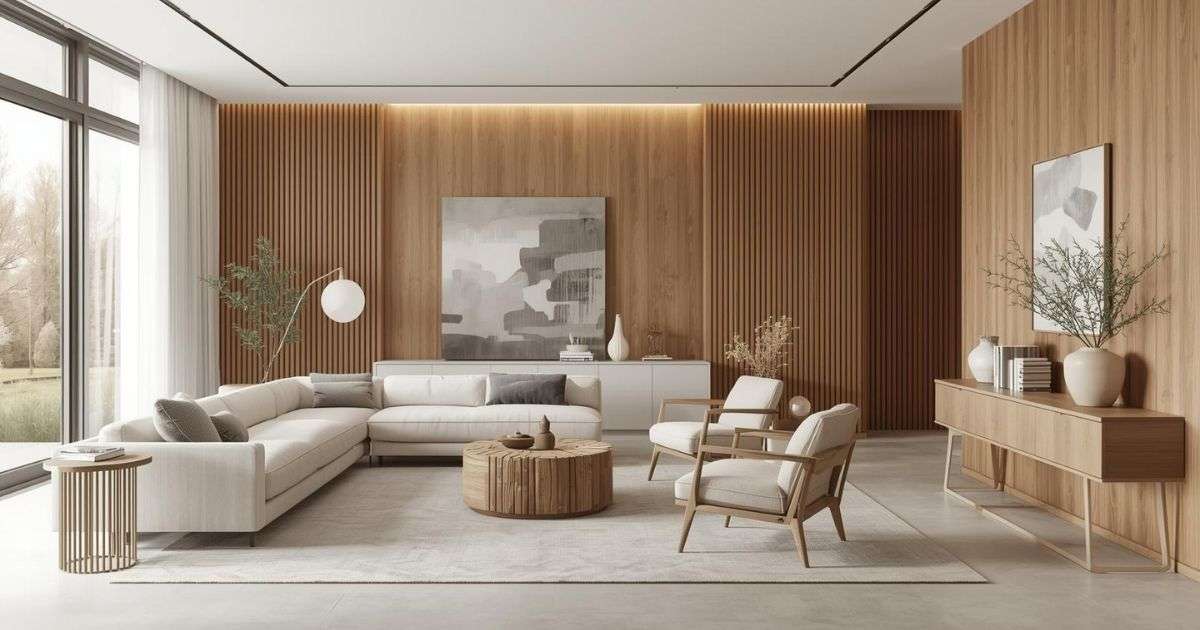
Choosing furniture is about more than filling an empty room. The right sofa, dining table, or bedroom set can influence how a space feels, how comfortably it functions, and how well it reflects the people who live there. While budget-friendly pieces can be useful for getting started, high-end furniture offers a different experience, with greater attention to materials, craftsmanship, proportions, and design. For homeowners who want their interiors to feel thoughtfully put together, furniture shopping becomes an opportunity to invest in pieces that look good and work well for years.
Luxury furniture is not necessarily about choosing the most expensive item in a showroom. It is about understanding what makes a piece worth considering, from the quality of its construction to the way it fits into a room. Some buyers are drawn to contemporary designs with clean lines, while others prefer natural wood, textured upholstery, or classic silhouettes that never feel tied to one particular trend. Knowing what to look for can make the shopping process more rewarding and help homeowners create spaces that feel both refined and comfortable.
What Sets High-End Furniture Apart
The difference between ordinary and high-end furniture often becomes apparent in the details. The quality of a frame, the finish on a wood surface, the stitching on upholstered seating, and the smooth operation of drawers can all affect how a piece performs over time. Premium furniture makers tend to pay closer attention to these elements because they influence both appearance and durability. Rather than relying entirely on decorative features, well-made pieces combine visual appeal with sound construction.
Materials also contribute significantly to the overall experience. Solid hardwood, carefully selected veneers, quality leather, durable upholstery fabrics, and well-made metal components can all contribute to a finished piece that feels substantial. However, expensive materials alone do not guarantee good furniture. Design, construction methods, maintenance requirements, and the suitability of the piece for everyday use are just as important when evaluating quality.
Craftsmanship You Can See and Feel
Craftsmanship is often easiest to appreciate when examining furniture in person. A dining table should feel stable, its edges should be finished smoothly, and its surface should show consistent attention to detail. On upholstered furniture, buyers can look at seam alignment, cushion support, fabric placement, and the way the upholstery fits around corners. These small details may not dominate the first impression, but they can influence how satisfied someone feels with the purchase over time.
It is also worth asking how a piece is constructed rather than judging it by appearance alone. A sturdy frame, suitable joinery, reliable hardware, and appropriate support systems can matter more than decorative finishes. Reputable retailers should be able to explain the materials used and provide information about care, warranties, and expected wear. Understanding these factors helps shoppers distinguish genuine quality from a premium price attached mainly to a fashionable design.
Finding a Furniture Style That Fits Your Home
Before visiting showrooms or browsing online collections, it helps to consider the atmosphere you want to create. Some interiors benefit from clean lines, restrained colors, and uncluttered forms, while others feel more inviting with warm wood tones, layered fabrics, and a mix of textures. Neither approach is automatically better. The goal is to choose furniture that supports the way you live while creating a consistent visual connection between rooms.
A useful starting point is to look at the pieces you already own and identify what works well. You might love the comfort of your current sofa but want a more sophisticated shape, or you may want a dining table that accommodates guests without overwhelming the room. Keeping a few existing pieces can also prevent a home from feeling like a showroom where everything matches perfectly. A thoughtfully selected mix of furniture often creates more personality than purchasing an entire collection simply because every item belongs to the same set.
Contemporary, Traditional, and Transitional Designs
Contemporary furniture often emphasizes simplicity, geometric forms, and materials that allow the design to speak for itself. These pieces can work well in rooms where natural light, architectural details, or artwork provide visual interest. Traditional furniture typically incorporates more decorative detailing, established silhouettes, and finishes that create a sense of familiarity. Transitional designs combine elements of both, making them useful for homeowners who appreciate classic proportions but prefer a more current overall look.
When choosing among these styles, consider how long you expect to keep the furniture. A highly distinctive piece can become a memorable focal point, but it may also be more difficult to coordinate with future changes in decor. Neutral upholstery, well-proportioned furniture, and natural materials can offer flexibility without making a room feel plain. Decorative pillows, lighting, rugs, and artwork can then introduce color and personality without requiring a complete furniture replacement.
How to Evaluate Furniture Before Buying
One of the biggest advantages of shopping in a physical showroom is the opportunity to experience furniture rather than relying on photographs. A sofa that looks elegant online may feel too firm, too deep, or too low once you sit down. A dining chair might have an attractive profile but provide limited support during a long meal. Testing furniture in person helps reveal these practical differences before they become part of your everyday routine.
Measurements are equally important. A large sectional may look impressive in a spacious showroom but overwhelm a smaller living room, while a dining table may leave too little room for chairs to move comfortably. Measure the room, note the location of doors and windows, and account for walking paths before committing to a purchase. It is also wise to measure hallways, staircases, elevators, and entryways to make sure the furniture can reach its intended location.
Comfort Should Be Part of the Investment
High-end furniture should support daily life, not simply look attractive in photographs. When testing a sofa or armchair, consider seat depth, back support, cushion firmness, arm height, and the ease of getting in and out. Different people prefer different seating positions, so a design that feels comfortable to one person may not suit another. Spending a few minutes testing a piece can reveal more than a lengthy product description.
Think about how the furniture will be used throughout the week. A formal living room may require less rugged upholstery than a family room where people regularly relax, entertain guests, or watch television. Households with children or pets may prefer performance fabrics that resist stains and are easier to clean. Matching the construction and materials to real-life needs helps protect the purchase and makes the furniture more enjoyable to use.
Shopping for Luxury Furniture With a Clear Budget
A higher price does not automatically mean a better purchase, so setting a budget before shopping can make the process easier. Consider how much you want to spend on each major item, then leave room for delivery, assembly, rugs, lighting, and other pieces needed to complete the space. It may make sense to spend more on a sofa or dining table that will see frequent use while choosing simpler accessories elsewhere. This approach allows the most important pieces to receive the attention and investment they deserve.
It can also be helpful to compare the full value of different options rather than looking only at the sticker price. One retailer may include delivery or offer a longer warranty, while another may charge separately for services or have different return conditions. Customization can affect both cost and lead time, particularly when choosing specialized upholstery, finishes, or dimensions. Reviewing these details in advance reduces surprises and makes comparisons more meaningful.
Why Long-Term Value Matters
Furniture is used repeatedly, often every day, so durability can have a meaningful effect on its overall value. A well-constructed piece that remains comfortable and attractive for years may be a better investment than a cheaper alternative that needs frequent repairs or replacement. Still, longevity depends on more than the original purchase. Appropriate cleaning, routine care, and protection from excessive sunlight or moisture can help preserve furniture in good condition.
Buyers should also consider flexibility. A timeless dining table or neutral sofa may adapt to changing paint colors, rugs, and accessories more easily than a piece with a highly specific look. That does not mean every purchase needs to be conservative. A distinctive accent chair or sculptural side table can add character without dictating the design of an entire room.
Choosing a Furniture Store That Understands Quality
A good furniture retailer offers more than a large selection of products. Helpful staff can explain construction methods, compare materials, discuss dimensions, and answer questions about care and warranties. The shopping experience should give customers enough information to make decisions confidently rather than pressure them into choosing quickly. For larger purchases, that kind of guidance can be particularly valuable because mistakes are often expensive and inconvenient to correct.
When comparing retailers, look at the range of styles, the quality of the displayed pieces, and the availability of product information. Check whether the store offers customization, interior design assistance, delivery coordination, or access to samples. Reviews can also provide insight into customer service after a sale, especially when it comes to delivery communication and resolving problems. These practical details matter just as much as the appearance of the showroom.
Looking Beyond the Showroom Display
A beautifully arranged showroom can help shoppers imagine how furniture might look in their own homes, but the display is only one part of the decision. Ask whether the exact model is in stock, whether the displayed finish is standard, and whether the product shown uses the same upholstery or materials as the version being purchased. Lead times can vary considerably for custom orders and made-to-order furniture. Getting those details in writing can make expectations clearer.
It is also worth reviewing the retailer’s policies before paying a deposit. Confirm the delivery arrangements, inspection process, return conditions, and procedure for reporting damage or manufacturing defects. Custom-made furniture may have different cancellation or return terms from standard stock items. Knowing these conditions in advance allows you to focus on the design and quality of the purchase without overlooking the practical side.
For shoppers comparing options for the best furniture store in Austin, the most useful choice will depend on personal style, budget, product quality, and the level of service needed. A store with an impressive collection may suit someone furnishing an entire home, while a smaller specialist showroom may be a better fit for someone searching for a distinctive statement piece. Evaluating retailers against the same criteria makes the comparison more useful than relying on price or appearance alone.
Creating a Home That Feels Considered, Not Overdesigned
Once the major furniture pieces have been selected, the next step is bringing them together in a way that feels natural. A room does not need to be filled with matching items to look cohesive. Repeating a few colors, materials, or shapes can create visual continuity while leaving space for individual pieces to stand out. For example, warm wood tones can connect a dining table with a sideboard, while textured fabrics can soften the clean lines of a contemporary sofa.
Scale and spacing are just as important as color coordination. Furniture that is too large can make a room feel crowded, while pieces that are too small may seem disconnected from the space around them. Leave enough room to walk comfortably, open drawers, pull out dining chairs, and use the room without constantly moving things aside. A well-planned layout should feel effortless because it supports the activities that take place there.
Letting Personal Details Complete the Space
Accessories provide a flexible way to make a room feel personal without investing in additional large furniture pieces. Artwork, table lamps, rugs, cushions, books, and carefully chosen decorative objects can introduce color and texture. These elements can also change with the seasons or as tastes evolve, allowing the room to feel refreshed without replacing its foundation. The best results usually come from selecting a few meaningful details rather than filling every available surface.
Give each major piece enough room to be appreciated. A distinctive dining table may need simple chairs and restrained accessories, while a neutral sofa can provide a backdrop for more expressive textiles and artwork. Mixing materials can also create depth, especially when wood, metal, glass, leather, and fabric are used in balanced proportions. The aim is not to make every element compete for attention, but to create a room where the pieces work together.
Making Furniture Shopping a More Rewarding Experience
Buying high-end furniture is most satisfying when the decision balances appearance, comfort, construction, and practical needs. Taking time to measure spaces, test seating, compare materials, and understand retailer policies can prevent common frustrations. It also makes it easier to recognize which features justify a higher price and which are primarily decorative. A thoughtful approach turns furniture shopping from a series of individual purchases into a plan for creating a home that works as well as it looks.
Ultimately, quality furniture should reflect the people who use it. Some households will prioritize generous seating and durable fabrics, while others may focus on elegant dining furniture, carefully crafted wood, or distinctive contemporary designs. There is no single definition of luxury that fits every home. By focusing on craftsmanship, comfort, lasting value, and personal style, shoppers can choose pieces that feel worthwhile long after the initial excitement of bringing them home.
