

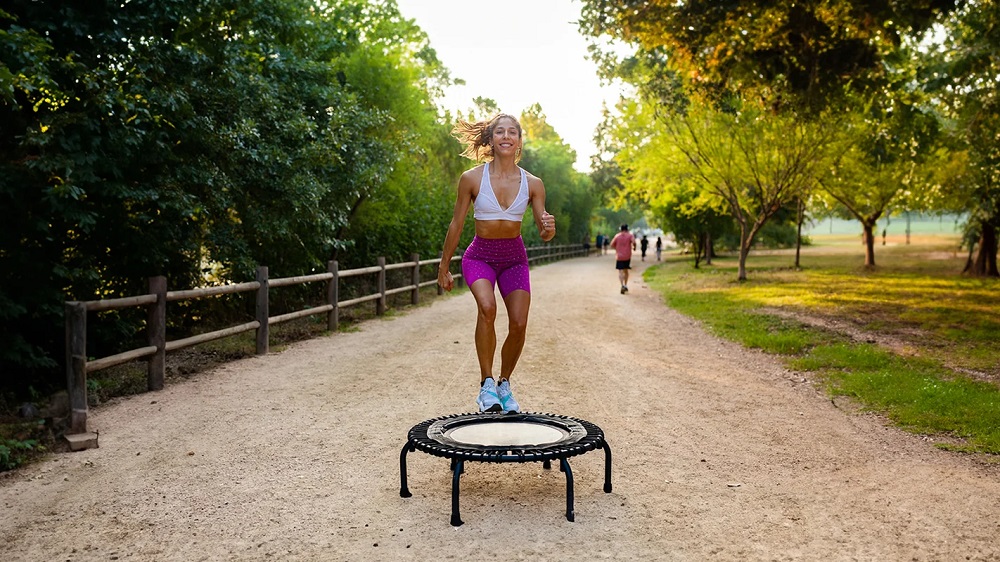
Runners exploring trampoline fitness singapore should treat rebound exercise as supplementary conditioning rather than a replacement for running. The movement can challenge cadence, aerobic fitness and coordination while offering a different loading pattern from repeated road or treadmill sessions.
This distinction is important. Running performance still requires running-specific practice, but additional conditioning can help runners build weekly activity without making every workout another run. The value depends on how the class is positioned around long runs, speed sessions and strength training.
Running Specificity Still Matters
The body adapts to the movement it performs. Road, track and trail running involve forward travel, ground contact and forces that differ from a trampoline workout.
A rebound class cannot reproduce race pace, running economy or the exact demands of hills. Runners should therefore keep their essential running sessions in the programme.
The class can instead provide general aerobic work, rhythm and movement variety. It may be particularly useful during a week when another outdoor session would create unnecessary monotony.
Supplementary training is most effective when its role is clearly defined.
Cadence Creates a Useful Connection
Both running and trampoline exercise involve repeated rhythmic contacts. A rebound class can challenge a runner’s ability to maintain rhythm while coordinating the arms and legs.
The cadence does not need to match running step rate exactly. The purpose is to practise controlled repetition while breathing and fatigue change.
Members attending classes through TFX Singapore can use moderate rebound height while focusing on consistent timing. This keeps the emphasis on rhythm rather than turning every interval into a maximal jump.
Runners who normally overstride may find the idea of shorter, quicker contacts useful, although the class should not be presented as a direct technique correction for running.
Use Classes for Aerobic Variety
Easy running provides valuable aerobic development, but some runners become mentally tired of repeating similar routes. A group rebound session introduces music, coaching and movement changes.
This can keep conditioning enjoyable without requiring a race-like effort. The runner can choose moderate class options and finish feeling trained rather than depleted.
The class should not automatically replace every easy run. Outdoor running still builds tolerance for the surfaces and conditions encountered during actual events.
Instead, rebound training can occasionally diversify the week while preserving overall aerobic activity.
Place the Class Away From Key Runs
A demanding trampoline class can fatigue the calves, quadriceps and stabilising muscles. Scheduling it immediately before a long run or speed session may reduce the quality of that important workout.
Runners can place the class after an easy day, before a rest day or at a sufficient distance from the week’s priority run. The best position depends on the person’s training experience and recovery.
If the class must occur near a key running session, intensity should be adjusted. Lower rebounds and controlled cadence can reduce unnecessary fatigue.
Weekly planning should protect the workout that matters most.
Respect Calf and Ankle Load
The trampoline surface feels responsive, which may cause participants to underestimate how much repeated work the lower legs perform. Runners already accumulate substantial calf and ankle loading through mileage.
During early classes, smaller rebounds and moderate intervals are sensible. Participants should observe how the lower legs feel later that day and during the next run.
Sudden increases in class intensity and running mileage should be avoided at the same time. Changing one variable makes it easier to understand how the body responds.
Persistent pain or unusual discomfort requires appropriate assessment rather than an attempt to bounce through it.
Coordinate With Strength Training
Many runners include strength work to support force production, tissue capacity and overall resilience. Adding a trampoline class creates a third lower-body demand.
The programme should therefore be viewed as a complete week. Heavy squats, fast running and high-cadence rebound work may be individually useful but excessive when crowded together.
One option is to place the class on the same day as a moderate strength session, leaving clearer recovery days. Another is to use it as the primary conditioning session during a lower-mileage week.
There is no universal arrangement, but the schedule should remain repeatable.
Use Intensity Zones Practically
Runners accustomed to pace data may look for precise class metrics. Rebound exercise is better guided through perceived effort, breathing and movement quality.
A controlled interval should allow steady breathing and reliable landings. A harder interval can feel challenging while remaining technically stable.
Peak efforts should be brief and deliberately selected. Completing every song at maximum intensity can create fatigue that interferes with running.
The runner can use the class as conditioning without turning it into an unplanned race.
An Indoor Option for Difficult Weather
Singapore’s heat, humidity and sudden rain can complicate outdoor running. An indoor class provides a predictable environment when conditions make another outdoor session inconvenient.
This does not eliminate hydration needs. Participants may still sweat heavily and should arrive with fluids already managed across the day.
Runners preparing for outdoor events also need some exposure to relevant weather. Indoor conditioning should support, not completely replace, appropriate environmental preparation.
The value is flexibility. The training week can continue without forcing every session into unsuitable conditions.
Recovery Determines Whether It Helps
A supplementary workout is useful only if the runner can recover from it. The next day’s energy, soreness and running quality provide important feedback.
If every rebound class makes the following run feel heavy, the intensity or schedule needs adjustment. The solution may be smaller rebounds, fewer peak intervals or a different day.
Improving tolerance may take several sessions. Early enthusiasm should not dictate the long-term workload.
The class should make the programme more sustainable, not simply more crowded.
A Sample Weekly Relationship
A recreational runner might complete an easy run early in the week, strength training on another day and a controlled trampoline class before a recovery day. A long run can remain separated from the class.
Another runner may use the rebound session during a week with fewer kilometres. This maintains activity while providing a mental break from regular routes.
The exact pattern depends on goals, experience and other commitments. Work, commuting and sleep should be considered alongside formal workouts.
A plan that fits real life is more useful than an ideal schedule that is rarely completed.
Keep the Roles Clear
Running develops running-specific performance. Strength training supports force and capacity. Trampoline fitness can provide aerobic variety, rhythm and enjoyable group conditioning.
The activities do not need to compete when each has a defined purpose. Problems arise when every session becomes high intensity and no workout is adjusted for the others.
Runners should begin conservatively, monitor lower-leg response and protect key running sessions. With thoughtful scheduling, rebound training can add variety to a running programme without weakening its central focus.
