

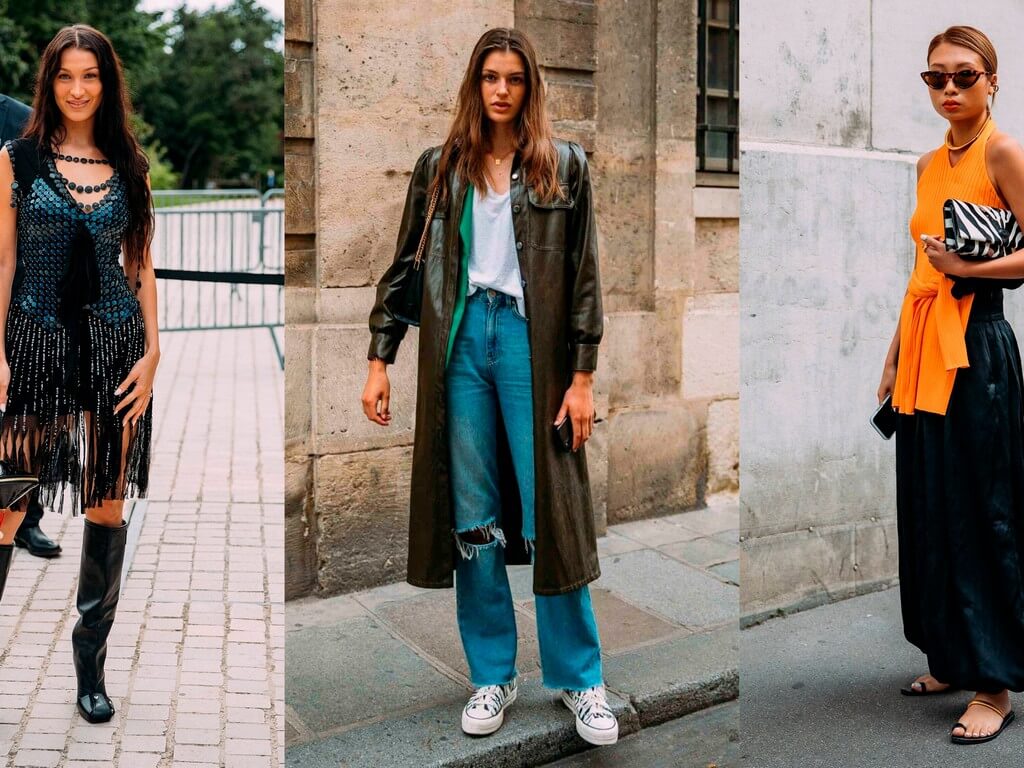
Fashion is constantly changing, reflecting the way people live, work, communicate, and express themselves. New colors, designs, fabrics, and silhouettes appear every season, while older styles often return with a modern interpretation. Although trends can influence what people wear, fashion is ultimately personal. The most effective style choices combine current ideas with comfort, confidence, and individual preferences.
Understanding how fashion trends develop can help people make better wardrobe decisions. Instead of buying every new item, individuals can learn how to recognize useful trends, adapt them to their own style, and build a balanced collection of clothing.
How Fashion Trends Begin
Fashion trends can emerge from many different sources. Designers introduce new concepts through collections, while street style, entertainment, social media, music, art, and cultural movements can influence what becomes popular.
Sometimes a trend develops gradually as people begin adopting a particular style. In other cases, a design can become widely recognized within a short period because of strong public interest.
Trends can involve many elements, including:
- Clothing shapes and silhouettes
- Popular colors
- Prints and patterns
- Fabrics and textures
- Shoes and accessories
- Hairstyles and beauty styles
- Layering techniques
A trend does not necessarily need to become mainstream to be meaningful. Different communities often develop their own distinctive approaches to clothing.
The Return of Classic Styles
Fashion often moves in cycles. Styles associated with previous decades frequently return with updated materials, proportions, and styling.
Vintage-inspired clothing can provide a sense of familiarity while still looking contemporary. A classic jacket, structured trousers, simple knitwear, or traditional footwear can be combined with modern pieces to create a balanced outfit.
The return of older styles also demonstrates that fashion is not always about creating something completely new. Designers and consumers often reinterpret existing ideas rather than abandoning them entirely.
This makes classic clothing particularly valuable. Well-designed pieces can remain relevant even when specific trends change.
Choosing Trends Wisely
Following every fashion trend can quickly become expensive and impractical. A better approach is to identify trends that fit your lifestyle and existing wardrobe.
Before purchasing a trendy item, ask a few simple questions:
- Will I wear it regularly?
- Does it fit comfortably?
- Can I combine it with clothing I already own?
- Is the design appropriate for my lifestyle?
- Does the quality justify the price?
- Will I still appreciate it after the trend fades?
These questions encourage thoughtful shopping and reduce impulse purchases.
A person does not need a completely new wardrobe every season. Adding one or two carefully selected pieces can update an existing collection without creating unnecessary waste.
The Importance of Color
Color has a strong influence on fashion. Seasonal collections often highlight particular shades, but personal preference should remain an important consideration.
Neutral colors such as black, white, beige, navy, gray, and brown can provide a versatile foundation. Brighter shades can then be introduced through shirts, jackets, footwear, bags, or accessories.
Understanding color coordination can make outfits easier to assemble. Complementary combinations can create a balanced appearance, while contrasting colors can produce a more energetic look.
The most important consideration is confidence. A color that makes someone feel comfortable and confident can be more effective than a fashionable shade that does not suit their preferences.
Fashion and Social Media
Social media has changed the way people discover and discuss fashion. New styles can reach audiences quickly, allowing people from different countries and communities to influence one another.
Digital platforms have also made personal style more visible. Everyday users can share outfit ideas, styling techniques, and creative combinations without relying solely on traditional fashion media.
This has created greater variety, but it can also encourage constant comparison. Seeing carefully presented images throughout the day may create unrealistic expectations about clothing, appearance, and lifestyle.
It is healthier to use fashion inspiration as a source of ideas rather than a standard that must be copied exactly.
Comfort Becomes More Important
Modern lifestyles have encouraged greater interest in comfortable clothing. Many people now want garments that can support movement while still looking polished.
Relaxed tailoring, breathable fabrics, practical footwear, and versatile clothing have become important parts of many wardrobes.
Comfort does not mean sacrificing style. Well-designed casual clothing can look sophisticated when combined with appropriate colors, proportions, and accessories.
The best outfit is often one that allows a person to move naturally and focus on daily activities without constantly adjusting clothing.
Sustainable Fashion Choices
Fashion trends can encourage frequent purchasing, but growing awareness of sustainability is changing consumer behavior. Many people are becoming more interested in quality, durability, responsible production, and longer garment use.
Consumers can make more thoughtful choices by purchasing clothing they genuinely need and taking better care of what they already own.
Simple habits can help extend the life of clothing:
- Follow care instructions carefully.
- Repair minor damage instead of immediately replacing garments.
- Store clothing properly.
- Donate useful items that are no longer needed.
- Choose versatile pieces that can be worn in different ways.
Sustainable fashion is not about achieving perfection. It is about making more conscious decisions.
Developing Your Own Fashion Identity
Personal style develops through experimentation. Trying different colors, cuts, textures, and combinations can help people understand what works best for them.
There is no single formula for attractive dressing. Some people prefer minimalist wardrobes, while others enjoy expressive patterns and bold accessories. Both approaches can be successful when they feel authentic.
A strong fashion identity often comes from consistency. Choosing clothing that reflects personality, lifestyle, and comfort can create a recognizable style without requiring constant attention to trends.
Conclusion
Fashion trends provide inspiration, but they should not control every purchasing decision. Styles will continue to change, while personal preferences and practical needs remain important.
By choosing versatile clothing, understanding color and fit, experimenting thoughtfully, and considering sustainability, people can enjoy fashion without unnecessary expense or pressure. Ultimately, good fashion is not simply about wearing what is popular. It is about creating a personal style that feels comfortable, confident, practical, and authentic.
