

Key Takeaways
Barefoot shoes can significantly boost foot health by promoting natural movement and enhancing muscle strength. Studies show that many foot issues arise from poorly constructed traditional footwear.
With barefoot shoes, proprioception—the body’s knack for sensing its position—gets a boost. This is due to the added sensory feedback from the ground, which in turn enhances overall movement and coordination.
Interestingly, injuries associated with barefoot shoes often occur because of a sudden switch, not the shoes themselves. To prevent discomfort, a slow adaptation process is essential.
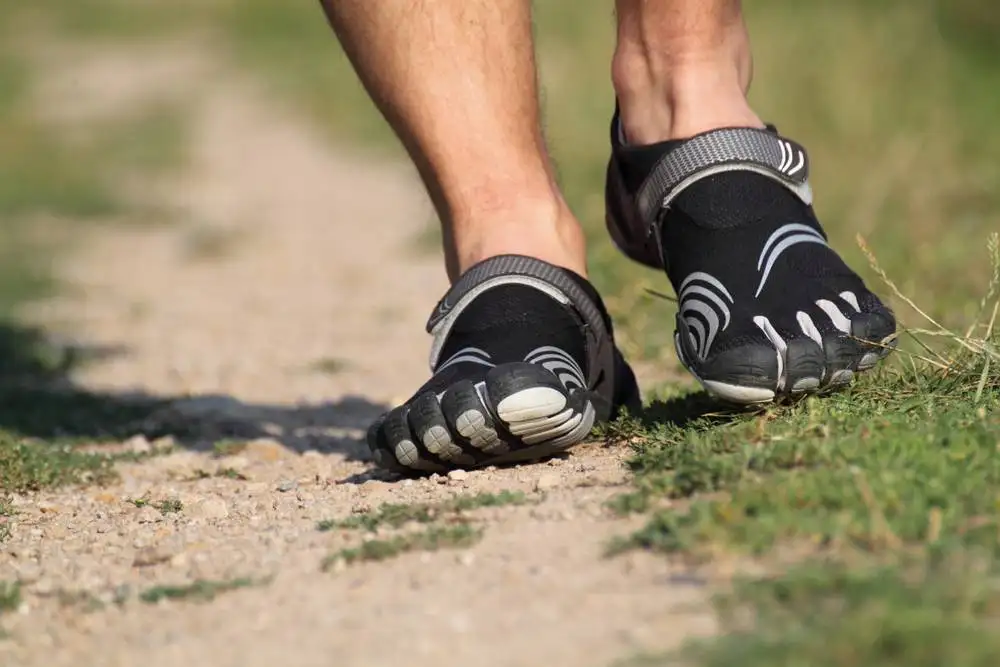
The typical design of barefoot shoes boasts features like flexible soles, wide toe boxes, and minimal cushioning, providing room for natural foot function while still ensuring adequate protection.
When making the switch to barefoot shoes, it’s vital to take it slow, blending traditional and minimalist options. This strategy strengthens the feet and helps prevent injury during the transition.
Moreover, many brands in the barefoot shoe field are adopting sustainable manufacturing approaches. They use eco-friendly materials and create less waste, making them a more ethical choice for environmentally conscious shoppers.
Are Barefoot Shoes Really Better for Your Feet?
Honestly, the whole barefoot shoe trend starts to make a lot of sense when you look into it. Think about it—our feet evolved to thrive without relying on cushioned sneakers. But what does the research say about foot health? Spoiler alert: it’s pretty intriguing.
The Science Behind Foot Health
It’s been repeatedly proven that the human foot is an amazing piece of machinery. Research from the American Orthopaedic Foot & Ankle Society indicates many foot problems can be traced back to poorly designed shoes. When we’re trapped in bulky footwear, our muscles tend to weaken. A strong foot gets its power from flexibility, movement, and the ability to feel the ground. So, when we buy barefoot shoes, we’re not just getting new footwear; we’re restoring our foot’s natural integrity.
Consider proprioception—the body’s remarkable ability to sense its position in space. The more sensory feedback we get from the ground, the better we move. Research shows that opting for minimalism can enhance proprioception and strengthen the feet. That connection with the earth? It creates a dynamic relationship, igniting sensors and engaging muscle fibers. Why wouldn’t you want to tap into that?
Common Myths about Barefoot Footwear Debunked
Time to clear the air. A persistent myth is that barefoot shoes lead to injuries. The truth? It’s usually the transition that causes problems. Leaping into minimalist shoes without letting your body adjust? That’s asking for trouble. Experts stress the need for a gradual change. If you throw your feet into the deep end too quickly, they’ll struggle. Take your time.
Another myth is that barefoot shoes come with no cushioning. Not quite right. Some brands do offer a reasonable amount of cushioning, just not in the same style as traditional shoes. You don’t need plush pillows on your feet; you just need the right support. It’s all about a design that enables natural movement instead of constraining it. Plus, certain models let you feel the terrain while still providing crucial protection. Let’s debunk that myth.
Choosing the Right Barefoot Shoes: What to Look For
So, you’ve made the leap into the realm of barefoot shoes. Nice choice, but don’t just grab the first pair you see. Let’s get down to the details. What should you actually look for in these minimalist wonders? There’s no one-size-fits-all answer, but I’ve got a checklist of must-haves to help guide your decision.
Key Features of Ideal Minimalist Shoes
- Flexible Sole: You need a sole that bends and flexes with your foot’s natural movements. Say no to stiff contraptions!
- Wide Toe Box: Let those toes breathe. A cramped toe area is just asking for trouble.
- Thin Sole: Go for an ultra-thin design, so you can really feel the ground beneath you. Connection is crucial.
- Zero Drop: This means the toe and heel are the same height, which keeps your body nicely aligned.
- Lightweight: The last thing you want is extra weight on your feet. Choose shoes that feel almost forgotten once they’re on.
What’s most important to you? Is it comfort, durability, or perhaps style? The beauty of barefoot shoes is their versatility—you can choose what fits your lifestyle best.
Top Brands and Their Unique Offerings
If you’re on the hunt for the best of the best in barefoot footwear, you have plenty of choices. Here are a few brands to keep on your radar:
- Origo: Here’s where sustainability meets minimalism; they provide high-quality options while respecting the environment.
- Merrell: They pride themselves on their barefoot line, built for adventurers and city dwellers alike.
- Altra: Known for shoes that focus on foot shape and fit, perfect for runners seeking that liberated feeling.
- Xero Shoes: Targeting ultra-light joggers, their flexible sandals are as close to nature as you can get.
- Vivobarefoot: Offers shoes that mimic the sensation of being barefoot, combining performance with style seamlessly.
A little research will go a long way. If you’re serious about switching to barefoot shoes, get familiar with the brands. Making an informed choice will spare you from issues later on.
Adapting to Barefoot Shoes: Tips for a Smooth Transition
You’ve got your minimalist footwear ready—what’s next? This isn’t an instant transformation. Your body requires time to adjust. Ever heard horror stories of folks who just jumped into barefoot living? Yeah, don’t be that person.
How to Train Your Feet for Natural Movement
- Start Slow: Break in your shoes gradually, wearing them for short periods at first. Build your confidence with every step you take.
- Mix and Match: Switch between traditional and barefoot shoes. Your feet will appreciate the variety.
- Focus on Strength: Incorporate foot exercises that strengthen your arches—think toe curls or picking up marbles with your toes.
- Listen to Your Body: If something feels off, take a break. Pain is your body’s way of saying “not yet”.
A little attention to your feet today can lead to effortless movement tomorrow. Yeah, it might be a bit uncomfortable initially; embrace that discomfort. It’s part of your growth journey.
Signs You’re Wearing the Wrong Footwear
Let’s keep it real for a moment. If your shoes fit snugly but your feet are protesting, something’s not quite right. Here are a few signs to watch for:
- Recurring arch pain—your foot isn’t thriving.
- Unwanted calluses popping up like surprise guests on your toes or soles.
- A feeling of instability or wobbliness when you walk.
- Muscles that stay sore after you’ve broken in those minimalist shoes.
If you’re dealing with any of these issues, it might be time to rethink your footwear. Your shoes should improve your mobility, not hinder it.
Environmental Impact of Minimalist Footwear
It’s not only about foot health anymore. Increasingly, consumers are considering the environmental impact of their purchases. This is a conversation worth having when it comes to minimalist footwear. It may surprise some, but the practices behind crafting sustainable shoes resonate well with eco-conscious buyers.
Why Sustainable Manufacturing Matters
Let’s be honest—traditional manufacturing practices can cause harm on multiple fronts. From toxic chemicals seeping into water supplies to mountains of waste piling up, it’s a disaster. Why would you want to contribute to that? Some smart brands are stepping up, moving toward sustainable practices by using eco-friendly materials and ethical labor.
Look for companies that emphasize sustainable materials like organic cotton or recycled plastics. Their commitment isn’t just for show; it’s a necessity for the health of our planet.
Comparing Traditional vs. Barefoot Shoe Environmental Footprints
Research indicates that selecting sustainably manufactured shoes can significantly lower your carbon footprint. Keep that in mind during your shopping spree.
Check out the statistics. Regular rubber soles can take between 50 to 80 years to decompose. In contrast, minimalist brands are working hard on biodegradable options—definitely a step toward eco-friendliness. Plus, producing minimalist shoes usually requires fewer resources. Less material means less impact. It’s simple math but with profound implications. The choice is getting clearer by the day.
So, when you’re thinking about your next purchase, ask yourself: am I making a choice that benefits my feet and the earth? Ensure your dollars are going to good use.
FAQ
Can barefoot shoes help with specific foot conditions?
Absolutely! If you deal with issues like plantar fasciitis or flat feet, barefoot shoes could be just what you need. They help promote a more natural foot position and encourage stronger arch development, which might really ease your discomfort.
How long does it typically take to adapt to barefoot shoes?
Here’s the scoop: adaptation time varies widely. For some people, a few weeks will do the trick, while for others, it could take months. The key? Listen to your body and take it easy.
Are barefoot shoes suitable for all types of activities?
Not really. While they’re great for casual use, walking, and running, you should be cautious with high-impact sports. You might need specific models tailored for more intense activities to get the right balance.
What if I have wide feet or specific foot deformities?
If you have wider feet, look for brands that offer options in different widths or naturally wider toe boxes. Your comfort shouldn’t be sacrificed; the right shoe should fit your foot shape properly.
Is there a difference between barefoot shoes and minimalist shoes?
Definitely! Barefoot shoes aim to replicate the natural feeling of being barefoot, whereas minimalist shoes might have a bit more structure while still promoting flexibility and lightweight design. They’re similar but not the same.
How do I care for my barefoot shoes to last longer?
It’s pretty straightforward! Clean them regularly with mild soap and water, and only toss them in the washer if the label allows it. Pay special attention to the soles, as dirt build-up can hurt performance. Keeping them in good shape means they’ll last longer.
What role do insoles play in barefoot footwear?
The right insole can definitely influence comfort, but it really depends on personal preference. Some minimalist shoes come with removable insoles that you can swap out for ones that offer more support. Don’t hesitate to try different options.
Are there any long-term health concerns with barefoot shoes?
Generally speaking, those who use barefoot shoes for an extended time report improved foot health and strength. But tread carefully! Jumping in too fast can cause setbacks; injuries are more likely if you ignore the need for a gradual transition. Stay smart and let your body guide you.

Comments are closed.