

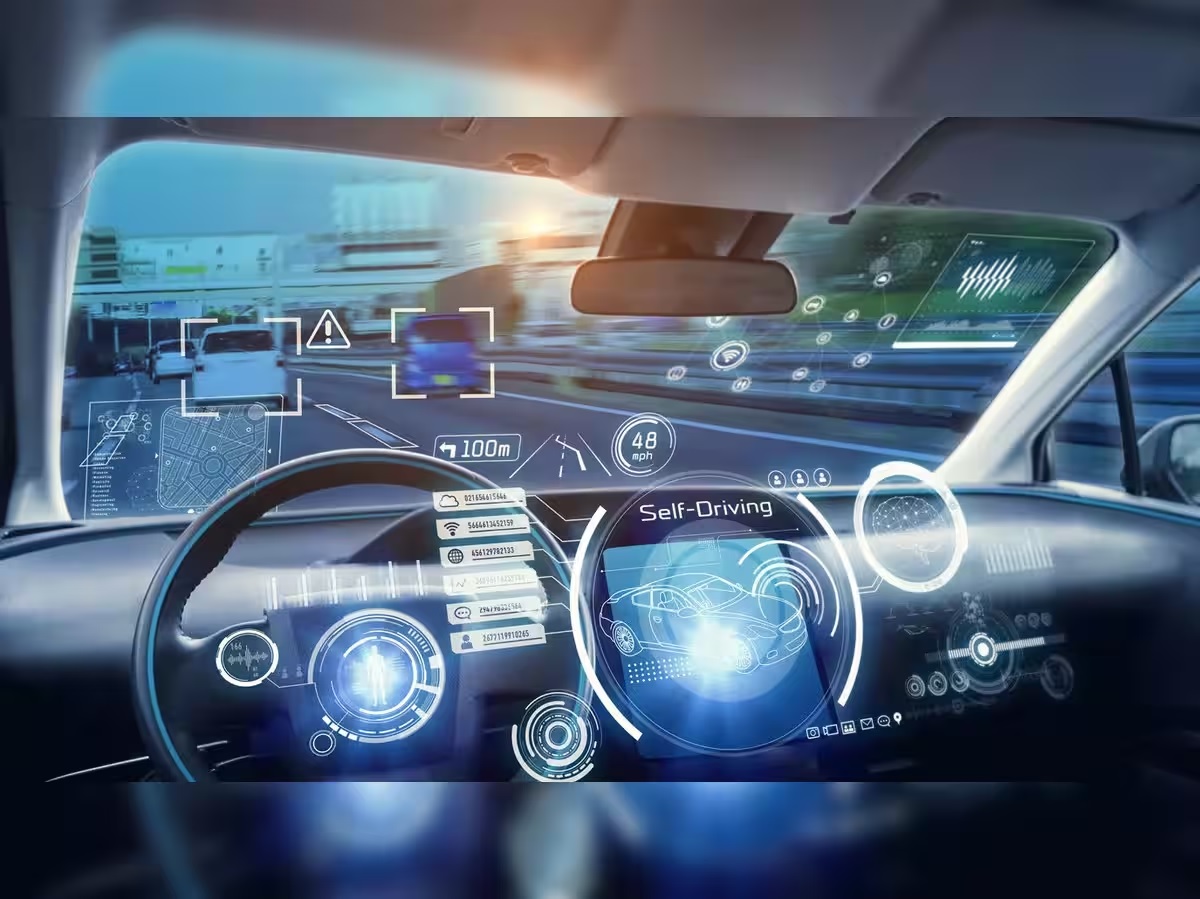
The word auto is commonly associated with vehicles, transportation, and the many services that help people travel safely and conveniently. From personal cars and family vehicles to commercial transportation, the auto industry plays an important role in modern life. For many people, owning a vehicle is more than a matter of convenience. It can provide independence, save time, support work, and make everyday responsibilities easier to manage.
As vehicle technology continues to develop, drivers have more choices than ever. Understanding the basics of automobiles, maintenance, safety, and responsible ownership can help people make better decisions and enjoy a smoother driving experience.
Understanding the Auto Industry
The auto industry includes much more than vehicle manufacturers. It covers a wide range of businesses and services connected with transportation and vehicle ownership. These include dealerships, repair centers, parts suppliers, insurance providers, detailing services, rental companies, and technology developers.
Modern vehicles have also become increasingly advanced. Features that were once considered unusual are now common in many models, including touchscreen controls, parking sensors, driver-assistance systems, cameras, navigation tools, and improved safety equipment.
The industry is also changing in response to consumer preferences and environmental concerns. Electric and hybrid vehicles are becoming more visible, while traditional petrol and diesel vehicles continue to serve millions of drivers.
Choosing the Right Vehicle
Selecting a vehicle should begin with understanding personal needs rather than simply choosing the most attractive model. A vehicle that works well for one driver may not be suitable for another.
Important factors to consider include:
- Purpose: Consider whether the vehicle will mainly be used for commuting, family travel, business, or long-distance journeys.
- Budget: Look beyond the purchase price and consider fuel, insurance, maintenance, taxes, and other ownership costs.
- Size: A compact vehicle may be practical for crowded cities, while a larger vehicle can offer additional passenger and cargo space.
- Fuel efficiency: Lower fuel consumption can reduce everyday expenses.
- Safety: Look for useful safety equipment and a strong overall safety record.
- Comfort: Seating, visibility, storage, climate control, and driving position can make a major difference.
Taking time to compare these factors can prevent an expensive purchase from becoming a source of frustration later.
The Importance of Auto Maintenance
Regular maintenance is one of the simplest ways to protect a vehicle. Even a reliable automobile requires attention because normal use causes components to wear gradually.
Routine maintenance may include checking or replacing engine oil, inspecting brakes, examining tires, replacing filters, checking fluids, and monitoring the battery. Following the manufacturer’s recommended maintenance schedule can also help identify problems before they become serious.
Drivers should pay attention to warning signs such as unusual noises, vibrations, difficulty starting, poor braking performance, fluid leaks, or changes in fuel efficiency. Ignoring these signs may turn a relatively minor issue into a costly repair.
A well-maintained vehicle is generally safer, more dependable, and more likely to retain its value over time.
Auto Safety and Responsible Driving
Vehicle safety depends on both technology and driver behavior. Modern automobiles can provide valuable assistance, but responsible driving remains essential.
Drivers should always use seat belts, obey traffic regulations, maintain a safe following distance, and adjust their speed to road and weather conditions. Distractions such as mobile phones can significantly reduce attention and reaction time.
Before a long journey, it is useful to check:
- Tire pressure and condition
- Fuel or battery level
- Engine fluids
- Lights and indicators
- Brakes
- Windshield visibility
- Emergency equipment
Small preparations can make a significant difference, especially during long trips or unexpected situations.
Technology Is Changing Autos
Technology has transformed the driving experience. Modern automobiles can connect with smartphones, provide real-time information, assist with parking, and alert drivers to potential hazards.
Advanced driver-assistance features may include lane monitoring, adaptive cruise control, blind-spot alerts, automatic emergency braking, and rear-view cameras. These systems can improve convenience and safety when used correctly.
However, drivers should understand that assistance features do not eliminate the need for attention. Technology can support a driver, but it should not encourage careless behavior or overconfidence.
Electric and Hybrid Vehicles
Alternative powertrains are becoming an important part of the auto market. Hybrid vehicles combine an internal combustion engine with electric assistance, while fully electric vehicles rely primarily on battery power.
These vehicles can offer advantages such as reduced fuel consumption, quieter operation, and lower tailpipe emissions. However, buyers should consider factors such as charging access, driving range, battery technology, purchase cost, and local infrastructure before making a decision.
The best choice depends on individual driving habits and practical requirements.
The Future of Auto Transportation
The future of the auto industry is likely to involve greater connectivity, improved efficiency, advanced safety systems, and continued development of alternative powertrains. Manufacturers are investing in technologies designed to make transportation cleaner, smarter, and more convenient.
At the same time, the basic principles of good vehicle ownership will remain important. Choosing carefully, maintaining regularly, driving responsibly, and understanding vehicle technology can help drivers get more value from their automobiles.
Conclusion
Auto transportation remains an essential part of everyday life. Whether someone is buying a first vehicle, maintaining an existing automobile, or considering newer technology, informed decisions can make ownership easier and more rewarding.
A dependable vehicle is built on more than mechanical components. It also depends on responsible maintenance, safe driving habits, practical planning, and choosing transportation that fits real needs. By paying attention to these areas, drivers can enjoy greater reliability, comfort, and confidence on the road.
