

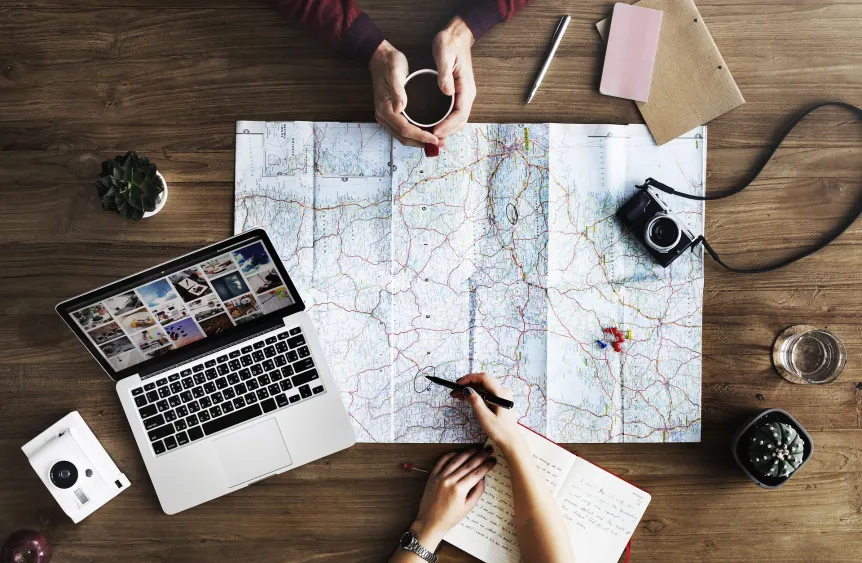
Travel planning can turn an ordinary trip into a comfortable and enjoyable experience. Whether the journey is for relaxation, business, family time, adventure, or personal exploration, preparation helps reduce unnecessary stress. A well-planned trip does not have to be rigid or expensive. It simply needs to match the traveler’s priorities, budget, schedule, and interests.
From choosing a destination to arranging transportation and packing essential items, each decision can affect the overall experience. With a practical approach, travelers can prepare confidently while still leaving room for spontaneous discoveries.
Define the Purpose of Your Trip
Before making reservations or creating an itinerary, think about why you want to travel. The purpose of the journey will influence almost every other decision.
A relaxing holiday may require a slower schedule and comfortable accommodation. An adventure trip may focus on outdoor activities, while a business journey may prioritize convenient transportation and proximity to meetings.
Understanding the main purpose of a trip helps prevent overplanning. Instead of trying to experience everything, travelers can focus on activities that genuinely matter to them.
Choose the Right Destination
The ideal destination depends on personal interests, available time, budget, and the type of experience you want.
Some travelers prefer historic cities with museums and cultural attractions. Others may enjoy beaches, mountains, forests, countryside locations, or modern urban centers.
When comparing destinations, consider:
- Travel distance and transportation options
- Weather during the planned period
- Accommodation costs
- Local attractions
- Food and dining choices
- Safety and accessibility
- Available activities
- Expected overall expenses
Seasonal conditions can have a major effect on a trip. A destination that is enjoyable during one season may be less suitable during another because of extreme weather, crowds, or limited activities.
Create a Realistic Budget
A travel budget should include more than transportation and accommodation. Daily spending can quickly increase when meals, sightseeing, local transportation, shopping, and unexpected expenses are added.
Start by estimating major fixed expenses, then calculate a reasonable daily allowance.
Useful categories include:
- Transportation
- Accommodation
- Food and drinks
- Local travel
- Activities and entrance fees
- Shopping
- Travel protection
- Emergency funds
A small financial reserve is valuable because plans can change. Unexpected delays, medical needs, replacement items, or transportation changes may create additional costs.
A good budget should provide guidance without making the trip feel restrictive.
Plan Accommodation Carefully
Where you stay can influence both comfort and convenience. The cheapest accommodation is not always the best value if it requires long and expensive journeys to reach important locations.
Consider the property’s location, cleanliness, facilities, check-in arrangements, and suitability for your travel plans.
Families may prioritize larger rooms and convenient facilities, while solo travelers may prefer central locations and flexible options. Business travelers may value quiet spaces and easy access to transportation.
Choosing accommodation based on actual needs can help prevent unnecessary spending.
Build a Flexible Itinerary
An itinerary provides structure, but it should not become a source of pressure. Trying to visit too many places in a short period can leave travelers exhausted.
A better approach is to identify a few priority activities and organize them around location and available time.
For example, attractions in the same area can be visited on the same day. This reduces unnecessary travel and creates more time for exploration.
Leave some open periods for:
- Rest
- Local dining
- Shopping
- Unexpected discoveries
- Weather changes
- Personal interests
Flexibility is particularly valuable when traveling because delays and changes are sometimes unavoidable.
Pack Efficiently
Packing becomes easier when you know what the destination and activities require. Check the expected weather and prepare clothing accordingly.
Choose versatile items that can be combined into several outfits. Comfortable footwear is especially important because many trips involve more walking than expected.
A basic travel checklist may include:
- Appropriate clothing
- Comfortable shoes
- Personal care items
- Travel documents
- Chargers and electronic accessories
- Necessary medications
- Payment methods
- Important contact information
Avoid packing items simply because you might use them. Extra luggage can make transportation more difficult and increase the risk of losing belongings.
Prepare Travel Documents
Documents should be organized before departure. Depending on the destination, travelers may need identification, passports, visas, tickets, reservations, insurance information, or other paperwork.
Keep important documents accessible during the journey and maintain secure copies of essential information.
It is also useful to understand any entry requirements, local rules, or restrictions that may apply to your destination.
Being prepared in advance can prevent avoidable delays and complications.
Plan Local Transportation
Transportation at the destination deserves attention before arrival. Research the available options and understand how you will travel from airports, stations, or terminals to your accommodation.
Depending on the location, options may include public transportation, taxis, rental vehicles, bicycles, or walking.
If you plan to drive, consider road conditions, parking availability, local traffic rules, and the time required for longer journeys.
Efficient transportation planning can save both money and valuable vacation time.
Stay Safe and Healthy
Travelers should take reasonable precautions without allowing safety concerns to prevent them from enjoying the journey.
Keep valuables secure, remain aware of your surroundings, and avoid taking unnecessary risks. If you are traveling to an unfamiliar location, learn about local customs and practical safety considerations before arrival.
Rest is also important. Long travel days combined with poor sleep can make even an exciting trip exhausting. Staying hydrated, eating balanced meals, and allowing time to recover can improve the overall experience.
Travel Responsibly
Responsible travel means respecting local communities, cultural traditions, public spaces, and the environment.
Avoid damaging natural areas, dispose of waste properly, and follow local rules. When visiting cultural or religious sites, pay attention to appropriate behavior and clothing requirements.
Supporting local businesses can also contribute positively to the communities you visit. Local restaurants, markets, guides, and independent businesses can provide memorable experiences while helping the local economy.
Conclusion
Effective travel planning is about preparation, balance, and flexibility. Choosing a suitable destination, creating a realistic budget, selecting convenient accommodation, organizing transportation, and packing thoughtfully can make a journey much easier.
At the same time, the best trips leave room for unexpected experiences. A detailed plan provides direction, but flexibility allows travelers to enjoy moments that cannot be scheduled.
With practical preparation and an open mind, travel can become more than a temporary escape from routine. It can provide meaningful experiences, new perspectives, lasting memories, and a deeper appreciation for the world beyond familiar surroundings.
