

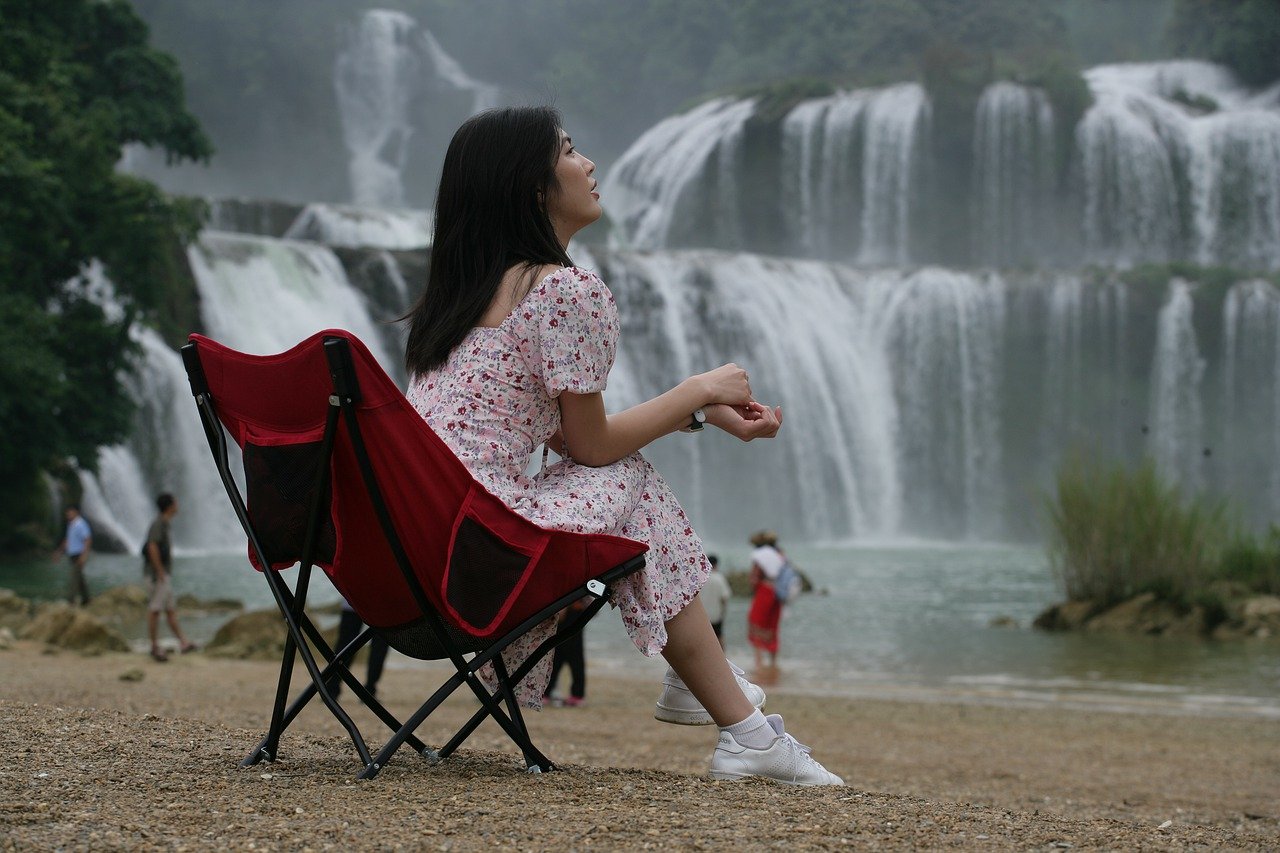
Travel is one of the most rewarding ways to experience new places, cultures, people, and ideas. Whether it involves a short weekend trip, a family holiday, a business journey, or a long international adventure, traveling can provide a welcome change from everyday routines. It can also create lasting memories and offer opportunities to learn beyond familiar surroundings.
Good travel planning does not mean creating a complicated schedule. It means understanding your destination, preparing for practical needs, and leaving enough flexibility to enjoy unexpected experiences. With thoughtful preparation, a journey can become more comfortable, affordable, and enjoyable.
Why People Travel
People travel for many different reasons. Some want to relax, while others are interested in history, food, nature, shopping, adventure, or cultural experiences. Business travel allows professionals to meet clients, attend events, and develop new opportunities.
Travel can also support personal growth. Visiting unfamiliar places encourages people to adapt to different environments and understand perspectives that may differ from their own.
Common reasons for traveling include:
- Relaxation and recreation
- Exploring new cultures
- Visiting friends and family
- Business and professional activities
- Outdoor adventures
- Learning about history and heritage
- Trying different foods
- Celebrating special occasions
The best trips often combine practical planning with genuine curiosity.
Choosing a Destination
Selecting a destination should begin with understanding what kind of experience you want. Someone looking for peaceful surroundings may prefer a quiet coastal or mountain location, while another traveler may enjoy a busy city filled with museums, restaurants, markets, and entertainment.
Budget, weather, travel time, and available activities should also influence the decision.
Before choosing a destination, consider:
- Expected travel expenses
- Seasonal weather
- Transportation options
- Accommodation availability
- Local attractions
- Food preferences
- Trip duration
- Personal interests
A destination does not need to be famous to be enjoyable. Smaller towns and less crowded areas can sometimes provide more relaxed and authentic experiences.
Planning a Travel Budget
Creating a realistic budget can prevent financial stress during a trip. Transportation and accommodation are usually major expenses, but travelers should also account for food, local transportation, activities, shopping, insurance, and unexpected costs.
A simple budget can divide spending into several categories:
- Transportation
- Accommodation
- Meals
- Sightseeing and activities
- Local travel
- Shopping
- Emergency expenses
It is wise to keep some additional funds available for unexpected changes. Flights may be delayed, transportation costs may increase, or an unplanned opportunity may arise.
Traveling on a budget does not mean avoiding enjoyable experiences. It often means deciding which experiences matter most and spending money intentionally.
Packing for a Trip
Packing should be based on the destination, weather, activities, and length of stay. Taking too much luggage can make transportation difficult, while packing too little can create unnecessary inconvenience.
Essential items may include suitable clothing, comfortable footwear, personal care products, travel documents, medications, chargers, and important financial items.
A practical approach is to choose clothing that can be combined in several ways. Lightweight and versatile pieces can reduce luggage while still providing enough options.
Before leaving, check that important documents and reservations are organized and accessible.
Choosing Accommodation
Accommodation can significantly affect the travel experience. Travelers may choose hotels, guesthouses, vacation rentals, hostels, resorts, or other options depending on their budget and preferences.
Location is often as important as the accommodation itself. Staying near public transportation, major attractions, restaurants, or business areas can reduce travel time.
When selecting accommodation, consider:
- Location
- Cleanliness
- Safety
- Price
- Available facilities
- Check-in and check-out arrangements
- Reviews and overall reputation
The best option is not necessarily the most expensive one. It should provide the right balance of comfort, convenience, and value.
Making Transportation Easier
Transportation planning can make a major difference, especially in unfamiliar destinations. Researching how to move between airports, stations, hotels, and attractions can reduce confusion.
Depending on the destination, travelers may use trains, buses, taxis, rental vehicles, bicycles, or walking.
Allow extra time when traveling to airports, train stations, or scheduled activities. Unexpected traffic and delays can affect even carefully planned itineraries.
At the same time, avoid scheduling every minute of a trip. Leaving free time allows you to explore naturally and rest when necessary.
Respecting Local Culture
Responsible travel involves respecting local customs and communities. Dress expectations, communication styles, dining habits, and social practices can vary significantly between destinations.
Learning a few basic local phrases can also make interactions easier and more welcoming.
Travelers should respect religious sites, cultural traditions, photography rules, and local environmental guidelines. Being considerate helps create positive experiences for both visitors and residents.
Staying Safe While Traveling
Safety should always be part of travel planning. Travelers should remain aware of their surroundings and keep important documents and valuables secure.
It is helpful to have copies of important information and know how to contact local emergency services if necessary.
Basic precautions include:
- Keep valuable belongings secure.
- Avoid displaying large amounts of cash.
- Be cautious with unfamiliar transportation or services.
- Stay aware in crowded areas.
- Follow local rules and regulations.
- Keep trusted contacts informed about major travel plans.
Good preparation can reduce avoidable problems without preventing travelers from enjoying themselves.
Making Travel More Meaningful
A memorable trip is not always defined by the number of attractions visited. Sometimes the most meaningful moments come from simple experiences, such as sharing a meal, walking through a local neighborhood, watching a sunset, or talking with residents.
Instead of rushing from one attraction to another, travelers can leave room for spontaneous discoveries.
Taking photographs can preserve memories, but it is also important to experience the destination directly rather than viewing everything through a camera.
Conclusion
Travel offers opportunities to relax, learn, explore, and connect with different places and people. A successful journey depends on more than choosing an attractive destination. Budgeting, packing, accommodation, transportation, safety, and cultural awareness all contribute to a positive experience.
The best travel plans balance preparation with flexibility. When travelers understand their needs, respect their destinations, and remain open to new experiences, even a simple journey can become a memorable and valuable part of life.
