

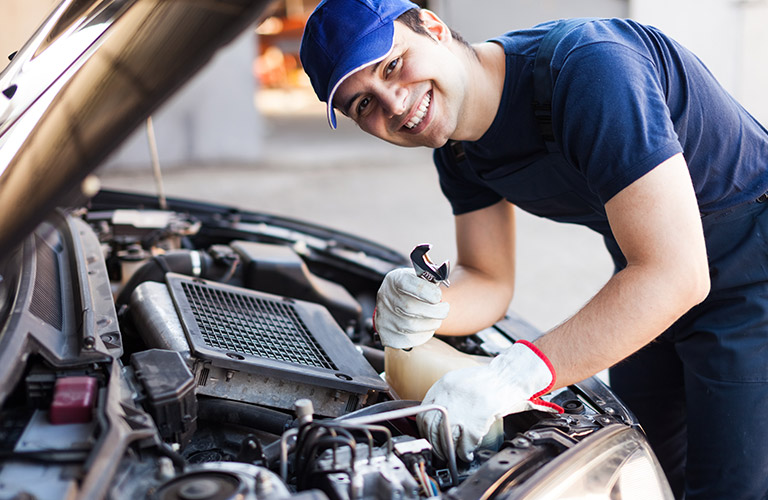
Owning a vehicle provides freedom, convenience, and flexibility. Whether it is used for daily commuting, family trips, business activities, or occasional travel, an automobile is an important part of modern life. However, reliable transportation does not happen by accident. Regular care, responsible driving, and timely attention to small problems can help a vehicle remain dependable for years.
Auto care involves much more than visiting a repair shop when something goes wrong. It is a combination of routine inspections, preventive maintenance, safe driving habits, and awareness of how a vehicle operates. Taking these steps can reduce unexpected breakdowns and help control long-term ownership costs.
Why Regular Auto Care Matters
Every vehicle experiences wear and tear. Tires lose pressure, fluids become contaminated, brake components gradually wear down, and batteries eventually lose their ability to hold a charge. Ignoring these changes can affect performance and safety.
Regular auto care helps identify potential issues before they become major repairs. It can also improve fuel efficiency and provide a more comfortable driving experience.
Some important benefits include:
- Better vehicle reliability
- Improved road safety
- Reduced risk of unexpected breakdowns
- Longer component life
- Better fuel efficiency
- Greater resale value
- More predictable maintenance expenses
Preventive care is often less expensive and less stressful than dealing with a major mechanical failure.
Check Your Tires Regularly
Tires are among the most important safety components of any automobile because they provide the only direct contact between the vehicle and the road.
Drivers should regularly inspect tires for uneven wear, visible damage, cracks, or objects lodged in the tread. Tire pressure should also be checked according to the vehicle manufacturer’s recommended level.
Incorrect pressure can affect handling, braking, comfort, and fuel consumption. Overinflated tires may provide less effective contact with the road, while underinflated tires can increase rolling resistance and cause excessive wear.
Tire rotation and wheel alignment should also be considered when recommended. Properly maintained tires can contribute significantly to safe and efficient driving.
Pay Attention to Engine Maintenance
The engine is one of the most complex and important parts of a vehicle. Regular maintenance helps keep its moving components properly lubricated and operating efficiently.
Engine oil should be checked and replaced according to the manufacturer’s maintenance schedule. Oil levels that are too low can increase friction and potentially cause serious damage.
Air filters, spark plugs, belts, and other components may also require inspection or replacement at appropriate intervals. Following the recommended service schedule is a practical way to avoid neglecting important maintenance tasks.
Drivers should never ignore warning lights on the dashboard. These indicators are designed to alert drivers when the vehicle’s systems require attention.
Take Care of the Braking System
A vehicle’s braking system deserves immediate attention because it directly affects safety. Signs of a potential brake problem may include squealing, grinding, vibration, a soft pedal, or increased stopping distance.
Brake pads and other components naturally wear with use. Their condition should be checked during routine servicing, especially if the vehicle is driven frequently in heavy traffic.
If braking performance changes noticeably, it is better to have the vehicle inspected promptly rather than continuing to drive and hoping the problem disappears.
Keep the Battery Healthy
A weak battery can leave a vehicle unable to start, sometimes without much warning. Battery performance can be affected by age, extreme temperatures, electrical problems, and infrequent use.
Drivers should watch for signs such as slow engine cranking, dim interior lights, or difficulty starting the vehicle. Keeping battery terminals clean and ensuring that the charging system works properly can also support dependable operation.
For vehicles that remain unused for long periods, appropriate battery care can help prevent unnecessary problems.
Maintain Cleanliness Inside and Outside
Auto care is not limited to mechanical components. Keeping a vehicle clean can protect its interior and exterior while making it more pleasant to use.
Regular washing can remove dirt, dust, road salt, and other substances that may affect exterior surfaces. Cleaning the interior helps protect seats, carpets, dashboards, and other materials.
Drivers should also keep windows, mirrors, headlights, and windshield areas clean. Clear visibility is essential for safe driving, particularly at night or during poor weather.
Drive Responsibly
Driving style has a direct effect on vehicle wear. Aggressive acceleration, sudden braking, excessive speeding, and carrying unnecessary weight can place additional stress on various components.
Smooth acceleration and braking can make driving more comfortable while potentially reducing unnecessary wear and fuel consumption. Drivers should also avoid ignoring unusual sounds, smells, vibrations, or changes in performance.
A vehicle often provides early signs when something needs attention. Learning to recognize these signs can prevent small problems from becoming larger ones.
Prepare for Long Journeys
Before taking a long road trip, drivers should perform a basic vehicle inspection. Checking tires, fluids, lights, brakes, battery condition, and spare equipment can provide additional confidence.
It is also useful to carry basic emergency supplies such as a warning triangle, flashlight, first-aid materials, and suitable tools.
Planning ahead is especially important when traveling through remote areas where repair services may not be immediately available.
Conclusion
Good auto care is an ongoing responsibility rather than a single task. Regular inspections, timely servicing, proper tire care, safe driving, and attention to warning signs can help keep a vehicle reliable and efficient.
Drivers do not need to be mechanical experts to take better care of their automobiles. By following basic maintenance practices and responding quickly when something seems unusual, vehicle owners can reduce unnecessary expenses and enjoy safer, more dependable transportation for years to come.
