

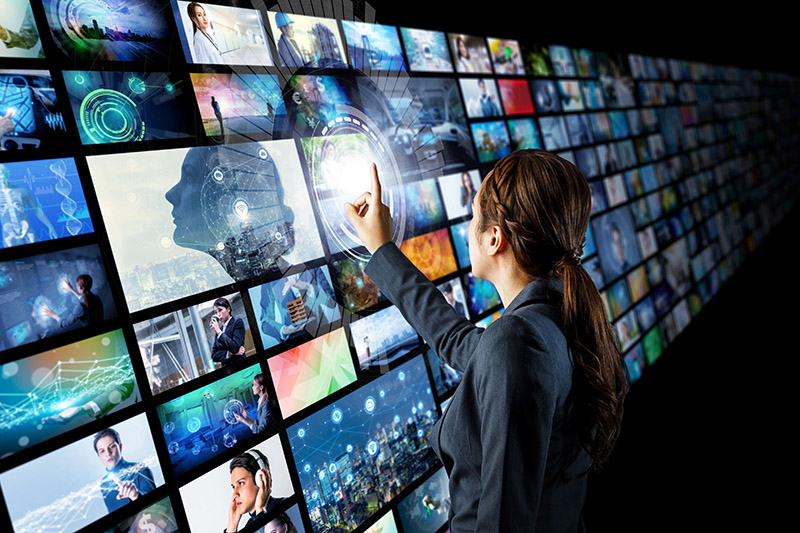
Entertainment is a fundamental aspect of human culture, shaping societies, influencing behaviors, and reflecting the evolution of technology and creativity. From ancient performances in amphitheaters to modern streaming platforms and immersive digital experiences, entertainment has continually adapted to meet the changing needs of audiences. It is not merely a source of amusement; it informs social norms, drives economic growth, and even impacts mental health. Exploring entertainment requires examining its historical roots, modern transformations, technological integration, societal significance, and future directions.
The Historical Evolution of Entertainment
Ancient Entertainment Traditions
Entertainment has existed since humans first gathered in groups, serving both social and educational purposes.
- Prehistoric Forms: Storytelling, music, and dance were central to communal bonding and the transmission of cultural knowledge.
- Classical Civilizations: Ancient Greece and Rome introduced structured forms of entertainment such as theater, gladiatorial games, and public festivals. These events not only amused but also reinforced civic identity and moral lessons.
- Medieval Entertainment: In Europe, traveling minstrels, jousts, and courtly performances reflected social hierarchies while providing cultural enrichment. Religious festivals often combined ritual and entertainment.
These early forms demonstrate that entertainment has always been intertwined with cultural expression and community engagement.
The Rise of Modern Entertainment
The Industrial Revolution and urbanization transformed entertainment into a structured industry.
- Theater and Opera: Public theaters became hubs of culture, attracting diverse audiences and promoting literacy through literature and scripts.
- Cinema: The invention of film in the late 19th century revolutionized storytelling, making visual narratives accessible to mass audiences worldwide.
- Music and Radio: Recorded music and radio broadcasts democratized entertainment, reaching rural and urban populations alike.
This period marked the professionalization of entertainment, with creators, producers, and performers becoming integral to a growing cultural economy.
Forms of Contemporary Entertainment
Film and Television
Film and television remain dominant forms of entertainment, shaping culture and reflecting societal values.
- Cinema: Modern films explore complex themes, from human psychology to social justice, blending artistic expression with commercial appeal.
- Streaming Services: Platforms offering on-demand content have transformed viewing habits, emphasizing binge-watching, personalized recommendations, and international content exposure.
- Television Shows: Serialized storytelling fosters audience engagement, while reality TV, talk shows, and documentaries provide diverse formats for entertainment.
The visual medium’s impact is profound, influencing fashion, language, and even political discourse.
Music and Performing Arts
Music and live performances continue to engage audiences emotionally and socially.
- Genres and Globalization: From classical to hip-hop, music transcends cultural boundaries, connecting diverse populations.
- Concerts and Festivals: Live events create immersive experiences, fostering community and cultural exchange.
- Digital Music Platforms: Streaming, virtual concerts, and AI-generated compositions expand accessibility and innovation in musical entertainment.
Music’s universal appeal lies in its ability to evoke emotion, memory, and collective identity.
Gaming and Interactive Media
Interactive entertainment has grown exponentially, redefining engagement and audience participation.
- Video Games: Story-driven games, competitive esports, and mobile apps offer diverse experiences for all age groups.
- Virtual Reality (VR): VR enables fully immersive worlds, allowing users to interact with digital environments in novel ways.
- Augmented Reality (AR): AR blends real and virtual worlds, transforming physical spaces into interactive experiences for gaming, education, and live events.
Interactive media shifts the audience from passive observers to active participants, creating new forms of narrative and entertainment value.
Literature, Podcasts, and Digital Content
Traditional and digital storytelling remain critical for knowledge, inspiration, and cultural dialogue.
- Books and E-books: Literature continues to educate, challenge, and entertain, fostering critical thinking and empathy.
- Podcasts: Audio storytelling allows on-the-go engagement, covering topics from history and science to personal narratives and comedy.
- Social Media and Digital Creators: Platforms such as YouTube, TikTok, and Instagram democratize content creation, enabling global reach and niche entertainment communities.
These mediums highlight how storytelling adapts to technological and societal shifts while retaining core narrative power.
The Role of Technology in Modern Entertainment
Streaming and On-Demand Culture
Technology has transformed access, consumption, and production in entertainment.
- Personalized Content: Algorithms analyze user behavior to suggest films, shows, and music tailored to individual tastes.
- Global Accessibility: Online platforms break geographical barriers, offering diverse cultural content worldwide.
- Economic Impact: Subscription models, digital advertising, and content monetization fuel the creative economy and support independent creators.
Streaming has fundamentally altered how audiences experience entertainment, fostering personalization and convenience.
AI and Interactive Storytelling
Artificial intelligence is reshaping entertainment by creating dynamic, responsive experiences.
- AI-Generated Content: From music compositions to automated scripts, AI tools accelerate production and innovation.
- Personalized Experiences: Interactive AI characters and adaptive storylines provide unique engagement for each user.
- Enhanced Creativity: AI assists creators by analyzing trends, suggesting edits, and generating visual or audio content efficiently.
AI expands creative possibilities while redefining audience participation and expectations.
Virtual and Augmented Reality Experiences
Immersive technology offers entirely new dimensions for entertainment.
- VR Gaming and Simulations: Users can explore realistic worlds, engage in complex narratives, and participate in social VR communities.
- AR in Live Events: Concerts, sports, and exhibitions use AR to enhance audience experience through interactive overlays and real-time engagement.
- Education and Edutainment: VR and AR combine entertainment with learning, creating engaging educational experiences for students and professionals.
Immersive technologies exemplify how entertainment can merge with practical applications, creating multi-dimensional experiences.
Societal Impact of Entertainment
Cultural Exchange and Identity
Entertainment shapes cultural norms and facilitates global understanding.
- Cross-Cultural Exposure: International films, music, and digital content allow audiences to experience diverse cultures.
- Cultural Preservation: Traditional arts, theater, and music are maintained and shared through modern platforms.
- Identity Formation: Media influences fashion, language, and values, impacting how individuals perceive themselves and society.
Entertainment functions as both a mirror and a bridge, reflecting society while connecting communities worldwide.
Mental Health and Well-Being
Entertainment plays a critical role in mental and emotional health.
- Stress Relief and Relaxation: Watching films, listening to music, or gaming provides a psychological escape from daily stressors.
- Social Connection: Online multiplayer games, fandom communities, and shared media experiences foster social bonding and support networks.
- Cognitive Stimulation: Puzzles, strategy games, and intellectually challenging content enhance problem-solving, creativity, and learning.
By balancing engagement and relaxation, entertainment contributes to overall life satisfaction and emotional resilience.
Economic and Industry Contributions
Entertainment is a significant driver of economic activity and innovation.
- Employment: The creative industry generates jobs across production, distribution, marketing, and performance sectors.
- Revenue Generation: Box office sales, digital subscriptions, merchandising, and live events contribute substantially to the global economy.
- Technological Advancement: Investment in entertainment technology drives innovation in AI, graphics, sound design, and immersive experiences.
The industry’s economic footprint underscores its importance beyond cultural or recreational value.
Challenges in the Entertainment Sector
Digital Disruption and Piracy
While technology enhances access, it also introduces challenges.
- Piracy and Copyright Issues: Unauthorized distribution undermines revenue and creative investment.
- Over-Saturation of Content: The abundance of digital media makes audience engagement more competitive and fragmented.
- Platform Dependence: Content creators may rely heavily on algorithms and platforms, limiting autonomy and long-term sustainability.
Addressing these challenges requires legal frameworks, technological safeguards, and sustainable distribution models.
Mental Health and Ethical Concerns
Entertainment content can sometimes negatively impact audiences.
- Screen Addiction: Excessive gaming, binge-watching, or social media use can impair mental health and productivity.
- Violence and Sensationalism: Content depicting extreme violence or unethical behavior may influence audience attitudes and social norms.
- Representation and Diversity: Ensuring inclusive representation remains a pressing concern to avoid perpetuating stereotypes or marginalization.
Balancing entertainment value with ethical responsibility is essential for healthy cultural development.
Accessibility and Inclusivity
Despite technological advances, not all audiences have equal access to entertainment.
- Economic Barriers: Subscription fees and equipment costs can limit participation.
- Physical and Cognitive Accessibility: Audiences with disabilities require adaptive technologies, captioning, and inclusive design.
- Geographical Restrictions: Content licensing and censorship can restrict global access to entertainment.
Efforts to enhance accessibility are critical for a truly inclusive entertainment ecosystem.
The Future of Entertainment
Immersive and Personalized Experiences
Emerging trends focus on making entertainment highly interactive and personalized.
- Adaptive Storytelling: Content adjusts to user choices, creating unique experiences for each audience member.
- Mixed Reality Platforms: Combining physical and virtual elements for fully immersive events and gaming experiences.
- AI-Enhanced Creativity: AI tools assist in ideation, production, and distribution, making content creation more dynamic and diverse.
Future entertainment will increasingly prioritize engagement, interactivity, and emotional resonance.

Comments are closed.