

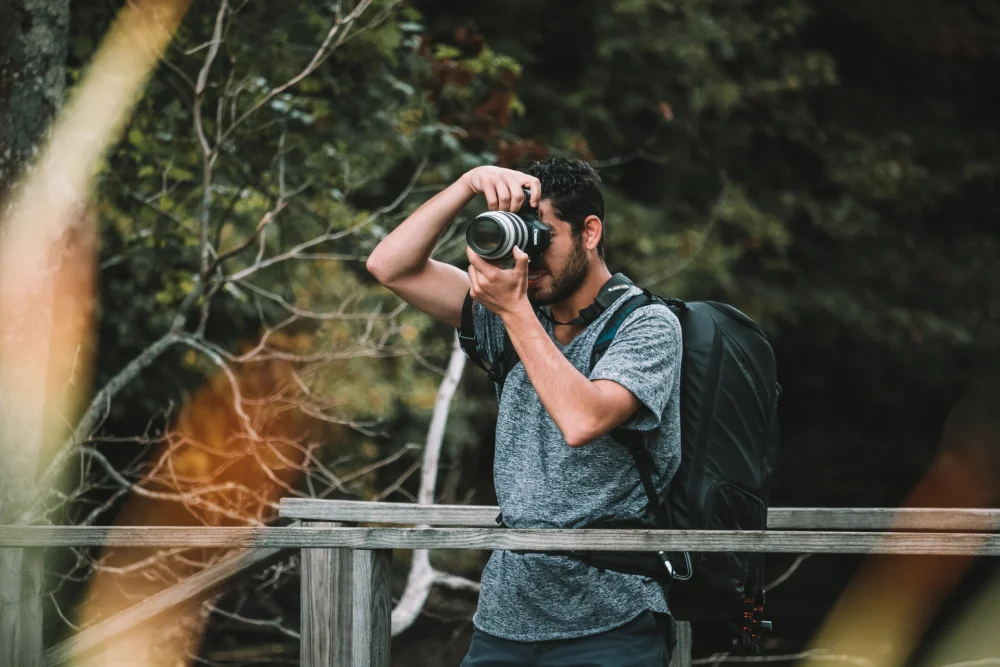
Photography is much more than a mere hobby or profession. It is a dynamic fusion of art and science, capturing light, emotion, and narrative in a single frame. Over the decades, photography has evolved from a chemical-based practice to a digital powerhouse, influencing industries ranging from journalism and marketing to social media and fine art. Understanding photography’s intricacies requires exploring its technical foundations, artistic principles, historical development, and contemporary innovations.
The Fundamentals of Photography
At its core, photography is the art of recording light. Every photograph is created by the careful manipulation of light, lens, and sensor. While the tools of photography have become increasingly sophisticated, the foundational principles remain consistent.
Exposure: Balancing Light and Shadow
Exposure determines how light or dark an image appears. Three critical factors contribute to proper exposure:
- Aperture: The opening in the lens through which light enters. A wide aperture allows more light, creating a shallow depth of field, while a narrow aperture limits light and increases the focus area.
- Shutter Speed: The duration the camera’s shutter remains open. Fast shutter speeds freeze motion, whereas slow speeds can create intentional blur for artistic effect.
- ISO: The sensor’s sensitivity to light. Higher ISO enables low-light photography but can introduce grain or noise.
Mastering exposure allows photographers to create mood, emphasize subjects, and guide viewers’ attention precisely.
Composition: Crafting the Narrative
Beyond technical settings, composition determines how a viewer perceives an image. It is the arrangement of visual elements within the frame. Key composition strategies include:
- Rule of Thirds: Dividing the frame into nine equal parts to position subjects at intersecting points for balanced visual interest.
- Leading Lines: Utilizing natural or architectural lines to guide the viewer’s eye through the image.
- Framing: Incorporating surrounding elements to draw attention to the subject.
- Symmetry and Patterns: Using repetition and geometric balance to create visually striking imagery.
Understanding composition ensures that photographs are not just technically correct but also emotionally compelling.
Lighting: The Heart of Photography
Light shapes the texture, depth, and emotion of photographs. Photographers manipulate natural or artificial light to achieve desired effects.
- Golden Hour Lighting: Occurs shortly after sunrise or before sunset, producing warm, soft shadows ideal for portrait and landscape photography.
- Hard vs. Soft Light: Hard light creates defined shadows and contrast, while soft light diffuses evenly, reducing harshness.
- Backlighting: Illuminates the subject from behind, creating silhouettes or dramatic outlines.
Light control is essential for conveying atmosphere and drawing attention to focal points within the photograph.
The Historical Evolution of Photography
Photography’s history reflects humanity’s desire to document reality. Its evolution is marked by technological breakthroughs and cultural shifts.
Early Innovations
The origins of photography date back to the 19th century.
- Camera Obscura: Used as early as the Renaissance, this device projected images onto surfaces to aid artists in drawing.
- Daguerreotype: Introduced in 1839 by Louis Daguerre, it was the first publicly available photographic process, capturing highly detailed images on silver-plated copper sheets.
- Calotype: William Henry Fox Talbot’s invention in 1841 allowed paper negatives, enabling multiple copies of a photograph.
These early techniques laid the foundation for photography as both art and documentation.
The Film Era
The late 19th and early 20th centuries saw the rise of film photography, characterized by roll film, negatives, and chemical development. Iconic innovations included:
- Kodak Cameras: Introduced by George Eastman, making photography accessible to the general public.
- 35mm Film: Standardized for professional and amateur use, influencing photojournalism and cinematic techniques.
- Color Film: By the 1930s and 1940s, color film became commercially viable, enriching visual storytelling.
Film photography emphasized patience, technical precision, and skillful darkroom practices.
Digital Revolution
The 1990s and 2000s ushered in digital photography, transforming the industry. Key advancements include:
- Digital Sensors: CMOS and CCD sensors replaced film, offering instant image review and high-resolution output.
- Post-Processing Software: Programs like Adobe Photoshop and Lightroom enabled extensive editing and creative control.
- Smartphone Integration: Smartphones democratized photography, placing high-quality cameras into the hands of billions.
Digital photography allowed greater experimentation, faster workflows, and widespread dissemination of images across the internet.
Photography Genres: Exploring Diverse Approaches
Photography is a versatile medium, encompassing various genres, each with unique techniques and objectives.
Portrait Photography
Portraiture captures personality and emotion, often emphasizing human connection. Techniques include:
- Environmental Portraits: Contextual backgrounds that reveal aspects of the subject’s life.
- Studio Portraits: Controlled lighting and settings to highlight specific features or moods.
- Candid Shots: Spontaneous moments that reveal authenticity.
Landscape Photography
Landscape photography celebrates nature and geography, focusing on composition, lighting, and perspective. Wide-angle lenses, panoramic stitching, and drone technology have expanded creative possibilities.
Street Photography
Street photography documents urban life and social interactions, capturing candid moments that reflect cultural narratives. Timing, observation, and ethical considerations are essential in this genre.
Commercial and Product Photography
Businesses rely on photography to showcase products, services, and brand identity. High-quality images influence consumer perception and drive engagement. Techniques include:
- Macro Photography: Highlighting intricate details of products.
- Studio Lighting: Ensuring consistent, professional representation.
- Lifestyle Photography: Integrating products into relatable human contexts.
Fine Art Photography
Fine art photography emphasizes aesthetic expression over documentation. Photographers experiment with composition, abstraction, and conceptual themes to create visually striking work intended for galleries or personal projects.
Technological Innovations Shaping Modern Photography
The intersection of technology and creativity continues to redefine photography’s possibilities.
Mirrorless Cameras
Mirrorless systems offer compact designs, faster autofocus, and electronic viewfinders, providing versatility for professional and enthusiast photographers.
Artificial Intelligence and Computational Photography
AI-driven tools enhance image quality, automate editing, and enable features like:
- Scene Recognition: Optimizing camera settings based on subject matter.
- HDR and Noise Reduction: Creating clearer, more dynamic images.
- Automated Retouching: Simplifying portrait enhancements without extensive manual work.
Drones and Aerial Photography
Drones expand visual perspectives, capturing landscapes, real estate, and event photography from unique vantage points previously inaccessible.
Virtual Reality and 360-Degree Photography
360-degree photography allows immersive experiences, particularly in tourism, real estate, and virtual tours, blending traditional photography with interactive digital media.
The Business of Photography
Photography is not only a creative pursuit but also a professional industry with significant economic impact.
- Freelancing: Photographers operate independently, offering services in events, portraits, commercial projects, and editorial work.
- Stock Photography: High-demand images are licensed for marketing, publishing, and digital media.
- Social Media Influence: Platforms like Instagram and TikTok drive brand partnerships, sponsored content, and digital entrepreneurship.
- Education and Workshops: Experienced photographers monetize knowledge through courses, tutorials, and mentoring.
Business success requires technical proficiency, marketing acumen, and adaptability to emerging trends.
Ethical Considerations in Photography
As photography becomes more pervasive, ethical practices are critical.
- Consent: Ensuring subjects are aware of and agree to being photographed.
- Representation: Avoiding exploitation or misrepresentation of individuals or cultures.
- Digital Manipulation: Transparency regarding edits that alter reality in journalistic contexts.
- Privacy: Respecting personal and sensitive environments.
Ethical awareness maintains credibility, trust, and respect within the photographic community.
Future Trends in Photography
The future of photography is poised for continued innovation, blending art, technology, and human experience.
- AI-Generated Imagery: Expanding creative possibilities while raising questions about originality.
- Integration with Augmented Reality: Enhancing interactive experiences in marketing, gaming, and storytelling.
- Sustainable Practices: Eco-conscious approaches in equipment, printing, and production to reduce environmental impact.
- Cross-Disciplinary Collaboration: Photographers collaborating with filmmakers, designers, and technologists to push boundaries.
Photography’s trajectory suggests a continued balance between traditional skills, digital innovation, and creative exploration.
FAQs About Photography
What camera type is best for professional photography?
Professional photographers often choose DSLRs or mirrorless cameras with full-frame sensors for superior image quality and versatility. The choice depends on the genre, such as landscape, portrait, or commercial work.
How important is post-processing in modern photography?
Post-processing is essential for adjusting exposure, color balance, and composition. While it enhances images, over-editing can compromise authenticity, especially in documentary photography.
Can smartphones replace traditional cameras for serious photography?
High-end smartphones provide impressive capabilities, particularly for casual and social media photography. However, DSLRs and mirrorless cameras still outperform in dynamic range, low-light performance, and lens flexibility.
What skills are critical for a successful photography career?
Beyond technical mastery, critical skills include composition, lighting, storytelling, communication, and marketing. Professional networking and portfolio development are equally important.
Is film photography still relevant today?
Film photography has experienced a resurgence due to its aesthetic qualities, tactile experience, and slower, intentional approach. Many photographers integrate film with digital workflows for creative expression.
How do I protect my photography work online?
Water
marking, copyright registration, and licensing agreements help safeguard intellectual property. Sharing selectively and using secure platforms are recommended practices.
What is the difference between commercial and fine art photography?
Commercial photography focuses on client objectives, such as advertising or branding, while fine art photography prioritizes personal expression, conceptual ideas, and aesthetic exploration.
Photography is an evolving, multifaceted discipline that blends creativity, technical expertise, and cultural storytelling. By mastering fundamentals, exploring diverse genres, leveraging technology, and maintaining ethical integrity, photographers can capture moments that resonate profoundly across time and space. Its enduring appeal lies in the ability to translate human experience into visual narratives, leaving lasting impressions on audiences worldwide.

Comments are closed.