

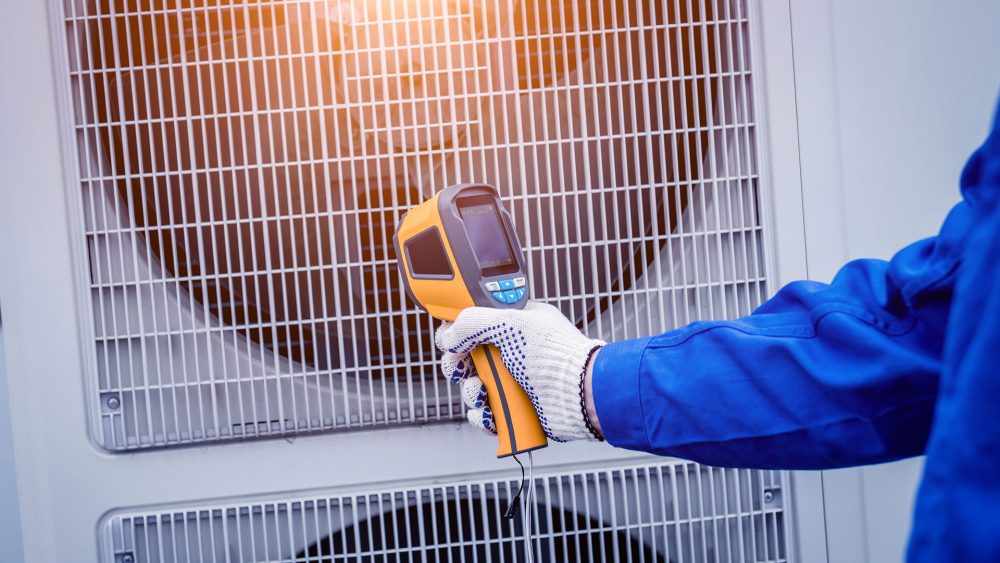
Decoding the Science: How Infrared Thermocouples Work
The Physics Behind Infrared Thermocouples
Infrared thermocouples operate based on the principles of thermodynamics and the infrared radiation emitted by all objects. At a fundamental level, every object with a temperature above absolute zero emits infrared radiation, which carries with it information about the object’s temperature. Infrared thermocouples essentially measure this radiation through specialized sensors that can convert the generated thermal radiation into electrical signals.
The heart of the infrared thermocouple is the sensor, typically made from materials that exhibit a thermoelectric effect. When the infrared radiation strikes the sensor, it causes charges to build up and create a voltage proportional to the intensity of the incoming radiation. This voltage can then be calibrated to display an equivalent temperature. This principle of measuring radiative heat transfer allows for a non-contact method of temperature measurement that is particularly advantageous in situations where direct contact with the object is impractical or could even affect the object itself.
Understanding Temperature Measurement Principles
The measurement of temperature using infrared thermocouples is rooted in the concept of emissivity, which is the ability of a surface to emit thermal radiation. Emissivity values range from 0 to 1, with a blackbody radiator (a perfect emitter) having an emissivity of 1. Real-world objects have varying emissivity based on surface texture, material, and color, which can significantly impact the readings obtained from infrared sensors.
For accurate measurements, understanding and calibrating for emissivity is crucial. Infrared thermometers typically come with settings or adjustment features to account for different materials. Additionally, understanding the relationship between temperature, emissivity, and the distance from the object (which affects the field of view of the sensor) enhances measurement accuracy. Thus, the effectiveness of infrared thermocouples hinges on both the physics of heat transfer and the practical considerations of material properties.
Calibration: Ensuring Accuracy in Measurement
Calibration plays a pivotal role in the precision and reliability of infrared thermocouples. Over time, or with use, sensors may drift from their original calibration due to factors such as thermal stress, contamination, or physical wear. Routine calibration against known temperature standards is essential to uphold measurement accuracy, particularly in sensitive applications like pharmaceuticals or aerospace engineering.
To calibrate an infrared thermocouple, a known reference temperature is required, often achieved through the use of an ice bath or calibrated temperature sensors. The infrared thermocouple is placed in the vicinity of the reference temperature, and any discrepancies between the readings are adjusted in the device’s software or electronically. Moreover, some advanced thermocouples offer self-calibrating features using internal references, enhancing their usability in environments where manual calibration might be cumbersome.
Applications That Impress: Where Infrared Thermocouples Shine
From Manufacturing to Space Exploration: The Versatility of Infrared Thermocouples
Infrared thermocouples find applications across a wide spectrum of industries owing to their non-invasive temperature measurement capabilities. In the manufacturing sector, they are indispensable for monitoring processes that involve high temperatures, such as metal forging and glass production. By allowing remote measurements, these thermocouples help maintain consistent quality control, ensuring that materials are processed at optimal temperatures without risking potential damage to the product.
In space exploration, infrared thermocouples are used to measure the temperatures of spacecraft components during launch and re-entry phases, where conventional sensors might fail. Their ability to function accurately in extreme environments makes them invaluable tools in mission-critical scenarios. For instance, NASA utilizes infrared sensors to remotely monitor burn temperatures in spacecraft engines, ensuring optimal performance and safety.
Notably, the versatility of infrared thermocouples extends to sectors like oil and gas, food processing, and automotive industries, reinforcing their place as essential instruments in modern technological applications. Their adaptability to various mediums and conditions emphasizes their role as a universal temperature measurement solution.
Medical Marvels: Keeping Patient Safety in Check
In the healthcare sector, infrared thermocouples are pivotal for maintaining patient safety, especially in the monitoring of body temperature. Used frequently in non-contact thermometers, they enable swift and accurate measurements, which are crucial in diagnosing conditions such as fever or infections without physical contact—a significant advantage in preventing the spread of contagious diseases.
Moreover, infrared thermocouples are also employed in medical imaging applications, helping to monitor and manage thermal profiles in delicate surgical procedures. They assist in ensuring that tissue temperatures remain within safe limits during operations, helping to prevent thermal injury. This application of infrared technology not only streamlines patient experience but also significantly enhances clinical outcomes, reinforcing the essential nature of precise temperature monitoring in modern medicine.
Energy Efficiency Monitoring: A Sustainable Solution
With the global shift towards sustainable practices, infrared thermocouples have emerged as vital tools for energy efficiency monitoring in various settings. In building management systems, they help assess the thermal performance of HVAC (heating, ventilation, and air conditioning) systems. By identifying temperature discrepancies in a building’s infrastructure, facility managers can pinpoint areas requiring maintenance or upgrades, thus optimizing energy consumption and reducing costs.
Moreover, industries looking to minimize their carbon footprint benefit from infrared thermocouples in monitoring heat leaks and inefficiencies in production processes. By providing real-time data, these instruments catalyze decision-making that enhances both economic and environmental sustainability. Consequently, infrared thermocouples are instrumental in promoting green initiatives, further establishing their significance in the quest for energy efficiency.
The Advantages of Going Infrared: Why Choose Thermocouples?
Non-Contact Measurement: Safety and Convenience Combined
One of the primary advantages of infrared thermocouples is their non-contact measurement capability, allowing users to assess temperatures from a distance. This feature is particularly appealing in industries where the objects being measured are hazardous, extremely hot, or otherwise inaccessible. For instance, in electrical maintenance, technicians can diagnose overheating components without having to come into direct contact with live circuits, significantly reducing the risk of electrical shock or burns.
Additionally, in the food industry, infrared thermocouples enable quick temperature checks on surfaces and products without contamination, ensuring compliance with health regulations while maintaining product integrity. The non-contact feature serves not just as a safety measure but also enhances operational efficiency, allowing for rapid assessments in fast-paced environments.
Rapid Response Times: Why Speed Matters in Temperature Sensing
In many applications, the speed at which temperature readings can be obtained greatly influences the efficacy of operations. Infrared thermocouples are known for their rapid response times, allowing temperature measurements to be taken almost instantaneously. This is vital in processes requiring quick adjustments, for instance, in manufacturing where furnace temperatures can significantly affect product yield.
Their ability to deliver immediate feedback can prevent costly errors and inefficiencies, as operators can react to changes in temperature in real-time. In scenarios such as monitoring the temperature of food during preparation, instantaneous readings can also help in ensuring adherence to food safety standards, thus safeguarding public health.
Durability and Reliability: Investing in Longevity
Durability and reliability are critical factors when selecting any instrument for temperature measurement, and infrared thermocouples excel in these areas. Designed to operate in extreme conditions—including high temperatures, humidity, and exposure to harsh chemicals—they offer longevity that ensures user confidence across various applications. The robustness of these sensors reduces the frequency of replacements and the associated costs, making them a wise long-term investment.
Furthermore, many infrared thermocouples are designed with features such as protective casings or specialized coatings that enhance their resistance to environmental factors. This longevity means that businesses not only benefit from cost savings but also enhance their operational efficiency through reliable performance over time.
Future Trends: What Lies Ahead for Infrared Thermocouples
Integration with IoT: Smart Thermocouples for Smart Technologies
Looking forward, one of the most exciting developments in the field of infrared thermocouples is their integration with the Internet of Things (IoT). This evolution is set to revolutionize how temperature sensing and data acquisition are performed. Smart thermocouples can communicate wirelessly with other devices and systems, enabling real-time monitoring and analytics that enhance overall efficiency and decision-making.
Through IoT connectivity, temperature data can be analyzed in real-time, allowing for predictive maintenance in industrial settings. Understanding temperature trends can help prevent equipment failures before they occur, significantly reducing downtime and maintenance costs. The growth of smart factories and smart buildings powered by IoT technologies means that infrared thermocouples will play an increasingly critical role in automated systems.
Advancements in Materials and Technology: Enhancing Performance
The ongoing research and development in materials science and sensor technology are contributing to the evolution of infrared thermocouples. Innovations in nanomaterials and advanced coatings are expected to enhance the sensitivity and accuracy of sensors, even at lower temperature ranges where traditional infrared thermocouples may struggle.
The future may also hold advancements in miniaturization, allowing infrared thermocouples to be embedded in smaller, more compact devices and systems, which would broaden their applications. Enhanced performance characteristics such as faster response times and greater resistance to environmental factors will only expand their usability and effectiveness across different industries.
Environmental Impact: Navigating the Future of Temperature Sensing
As industries continue to emphasize sustainability and environmental stewardship, infrared thermocouples will play an instrumental role in reducing environmental impact. Their integration in energy monitoring systems allows businesses to identify and mitigate inefficiencies that contribute to excess energy consumption, ultimately reducing carbon footprints.
Moreover, advancements in eco-friendly manufacturing practices will likely lead to increased use of infrared thermocouples in various sectors, including renewable energy, where accurate temperature monitoring is crucial for the efficient operation of solar panels and wind turbines. As this trend continues, infrared thermocouples will emerge as champions of a more sustainable future, empowering industries to achieve operational excellence while caring for our planet.
In conclusion, the journey of understanding infrared thermocouples showcases their significance in various sectors, underscored by their unique capabilities and robust technology. As industries adopt new technologies and seek to optimize their operations while maintaining safety and sustainability, infrared thermocouples will undoubtedly remain at the forefront of temperature measurement innovation.
FAQ
Question: What are the key benefits of using infrared thermocouples over traditional thermocouples? – Infrared thermocouples provide non-contact temperature measurements, swift response times, and enhanced safety in hazardous environments, making them a superior choice for many applications.
Question: How does ambient temperature affect the readings of infrared thermocouples? – Ambient temperature can influence the accuracy of infrared thermocouple readings by affecting the emissivity of objects and introducing measurement errors if not properly calibrated.
Question: Can infrared thermocouples be used in outdoor environments? – Yes, infrared thermocouples can be utilized in outdoor settings, but it is crucial to account for factors such as sunlight exposure and weather conditions that may alter temperature readings.
Question: What maintenance is required for infrared thermocouples? – Regular calibration, cleanliness of the sensor lens, and periodic functionality checks are essential for maintaining accurate performance of infrared thermocouples.
Question: Are there any limitations to using infrared thermocouples? – Limitations include difficulties in measuring transparent or reflective surfaces accurately and potential errors introduced by varying emissivity values of different materials.
Question: How do infrared thermocouples contribute to energy efficiency? – They help identify heat loss points and inefficiencies in systems, allowing for timely maintenance that can reduce energy consumption and operational costs.
Question: What industries benefit the most from using infrared thermocouples? – Industries such as manufacturing, healthcare, aerospace, and energy management are significant beneficiaries, utilizing these sensors for their efficiency and accuracy in temperature measurements.
Question: How is data from infrared thermocouples utilized in IoT applications? – Data from infrared thermocouples can be transmitted wirelessly to IoT platforms for real-time monitoring, analysis, and predictive maintenance, improving operational efficiency across various sectors.
Useful Resources
- National Institute of Standards and Technology (NIST)
- American Society of Mechanical Engineers (ASME)
- Acoustical Society of America (ASA)
- ASTM International
- International Institute of Refrigeration (IIR)
- International Atomic Energy Agency (IAEA)
- American Institute of Chemical Engineers (AIChE)
- Elsevier – ScienceDirect

Comments are closed.