

Understanding Your Hearing Needs: The Starting Line
Assessing Your Hearing Loss: A Step-by-Step Guide
Before embarking on the journey to purchase hearing aids, it is essential to have a solid understanding of your specific hearing needs. The first step in this process is assessing your hearing loss. Many individuals may notice gradual changes in their hearing abilities, and the best approach is to document these changes over time. Consider keeping a journal to note specific challenges you experience in different environments—for example, difficulties understanding conversations in noisy places or the need to increase the volume on your television.
To start the assessment, many online platforms offer free hearing tests that can provide a preliminary indication of your hearing abilities. These tests often evaluate your ability to hear different frequencies and volumes, giving you a sense of where you may be experiencing difficulties. However, while these online tools can be beneficial, they should not replace a comprehensive evaluation by an audiologist. Ideally, you should seek an in-person hearing evaluation by a licensed professional who can administer more complex tests and interpret the results accurately.
Once you have a clearer understanding of your hearing loss, consider categorizing it according to its severity—mild, moderate, severe, or profound. This classification will not only help you comprehend your condition better but will also guide you toward the appropriate types of aids suited for your needs. Additionally, be prepared to discuss how your hearing loss affects your daily life, which can provide important context for professionals who may assist you in selecting the best hearing aid.
Consulting with Professionals: When to Seek Expert Advice
Consulting professionals is a critical step in the journey of obtaining hearing aids. A licensed audiologist or hearing specialist can provide guidance that is tailored specifically to your unique hearing issues. After completing your self-assessment and initial testing, if you suspect that your hearing loss is significant, it’s time to book an appointment with an audiologist. These professionals can offer a variety of services, including detailed hearing tests, advice on effective communication strategies, and the most appropriate solutions for your specific situation.
It’s worth noting that many people hesitate to consult hearing professionals due to stigma or perceived inconvenience, but earlier intervention is key to preventing further hearing loss. Additionally, audiologists can help educate you about hearing loss management techniques, including auditory training and hearing rehabilitation strategies, all of which can significantly impact your communication abilities.
Furthermore, don’t forget to inquire about hearing aid fittings and adjustments during your consultation. Proper fitting of your device is critical. Audiologists will generally provide a trial period during which they can make necessary adjustments based on how your hearing aids are performing in real-life situations. Understanding the nuances of what makes an ideal hearing aid for you is vital, so don’t shy away from asking detailed questions about the equipment and how it will line up with your lifestyle.
The Importance of Personalization in Hearing Aids
Personalization is the bedrock upon which effective hearing aid usage rests. Each individual’s hearing loss is unique, encompassing varying frequencies, levels of severity, and even personal preferences regarding sound quality. This is where the consultation with your audiologist comes into play; they are equipped to help tailor the hearing aids to fit your specific profile.
Modern hearing aids come with sophisticated technology that can be programmed to accommodate an array of situations, such as understanding speech in loud environments, enhancing clarity during phone conversations, or even filtering background noise when necessary. Customizing settings based on your lifestyle will ensure that you do not just hear better, but actually have a more enriched auditory experience.
Moreover, personalization extends beyond mere programming. Consider the physical fit and style of the hearing aid. Factors such as ear shape, the portability of the device, and aesthetic preferences should influence your selection. Styles range from nearly invisible in-the-ear models to more robust behind-the-ear designs. The more customized the solution, the more likely you are to feel comfortable and satisfied with your hearing aids.
The Online Shopping Experience: Navigating the Digital Marketplace
Where to Find Reputable Online Retailers
With technological advancements, it has become increasingly common for consumers to purchase hearing aids online rather than visiting a brick-and-mortar store. However, the key to a successful online purchase is knowing where to find reputable retailers. Start by looking for well-established companies with a solid history in audiology equipment, as they are more likely to provide quality products and trustworthy services. Sources such as forums, consumer review sites, and recommendations from hearing specialists can guide you towards reputable sites.
Be aware that some online retailers may offer lower prices or promotional deals; however, ensure that they provide excellent customer service and warranty options, as these factors are just as crucial as pricing. Always check for credentials such as accreditation from recognized audiology organizations or product certifications, which can indicate a retailer’s reliability. Engaging with customer reviews can also offer insights into other users’ experiences with the retailer’s products and service quality.
Moreover, consider whether the online retailer provides accessibility features such as tele-audiology, which allows for remote consultations with trained audiologists. This capability can ease the purchasing process, enabling you to have professional oversight without needing to step foot in a clinic.
Comparing Different Brands: What Sets Them Apart?
With countless brands entering the hearing aid market, it’s easy to feel overwhelmed while trying to differentiate between them. Each manufacturer has its unique selling points, design philosophies, and technological features, making careful comparison necessary. When comparing brands, consider aspects such as technology, acoustics, features, and price. Major players like Starkey, Oticon, Phonak, and Siemens offer a range of models tailored to various types of hearing loss, while newer companies like Eargo and Bose are also shaping the conversation with innovative products.
Explore parameters such as noise-reduction technology, battery life, ease of charging or replacing batteries, and waterproof or sweat-proof capabilities. Features like smartphone compatibility or advanced sound processing systems can drastically enhance the quality of your experience. Furthermore, delving into warranties and service plans attached to these brands can help identify which brands offer the greatest long-term satisfaction and customer service.
Don’t overlook the importance of real user feedback. Customer experiences often highlight usability challenges or unique advantages that can inform your decision-making significantly. Beyond the specs on paper, knowing how the hearing aid performs in everyday situations can be enlightening.
Understanding Warranty and Return Policies: Your Safety Net
When purchasing hearing aids online, understanding the warranty and return policies is critical to ensuring peace of mind. Since hearing aids are an investment, it’s crucial to know that there is an option for recourse if the device doesn’t meet your expectations or if any defects arise. Look for comprehensive warranties that cover repair or replacement of the device for a specified period—usually one to three years, depending on the brand and model.
Additionally, a generous return policy can be a lifesaver if you find the hearing aids do not suit your needs after a trial period. Some companies allow returns within 30-90 days, while others may offer extended trial periods, giving you plenty of time to evaluate their performance in various environments.
Furthermore, inquire about their policy on adjustments and fine-tuning. Since hearing aids often require personal configurations to achieve optimal performance, it’s essential to choose a retailer that offers ongoing support for adjustments in the months following your purchase. Having this assurance will make for a hassle-free experience and allow you to focus on adapting to your new hearing aid.
Decoding Hearing Aid Technology: Features That Matter
Behind the Buzz: The Latest Innovations in Hearing Aid Tech
The field of hearing aids has undergone a transformative evolution due to advancements in technology. Today’s hearing aids boast features that significantly enhance the listening experience, making it imperative to understand what innovations are available. One particularly notable development is the shift toward digital signal processing, allowing devices to analyze and adapt to surrounding sounds in real time. This means that users can seamlessly transition between different environments—be it a quiet library or a bustling restaurant—without needing to manually adjust settings.
Additionally, many modern hearing aids are now equipped with artificial intelligence capabilities that enhance sound quality by distinguishing between speech and noise. Some advanced devices can even adapt to separating sounds based on the user’s listening preferences, offering functionality like automatic noise cancellation or directional microphones that focus on sounds coming from certain angles, which can be particularly beneficial in social situations.
Bluetooth connectivity has also paved new avenues for hearing aids, enabling users to connect their devices wirelessly to smartphones, televisions, or other audio devices. This opens up possibilities for phone calls or music streaming directly through the hearing aids, enriching the user’s auditory interactions with the technology around them.
Choosing the Right Style: Receiver-in-Canal vs. Behind-the-Ear
Hearing aids primarily come in two styles: Receiver-in-Canal (RIC) and Behind-the-Ear (BTE), and understanding the differences between these options is crucial in making an informed selection. Receiver-in-Canal models are known for their compact design and discreet appearance. They sit comfortably within the ear canal while providing exceptional sound quality and have the advantage of being less visible than traditional BTE devices. RIC aids are ideal for mild to severe hearing loss and allow flexibility for customization, with a range of features that can be integrated based on individual needs.
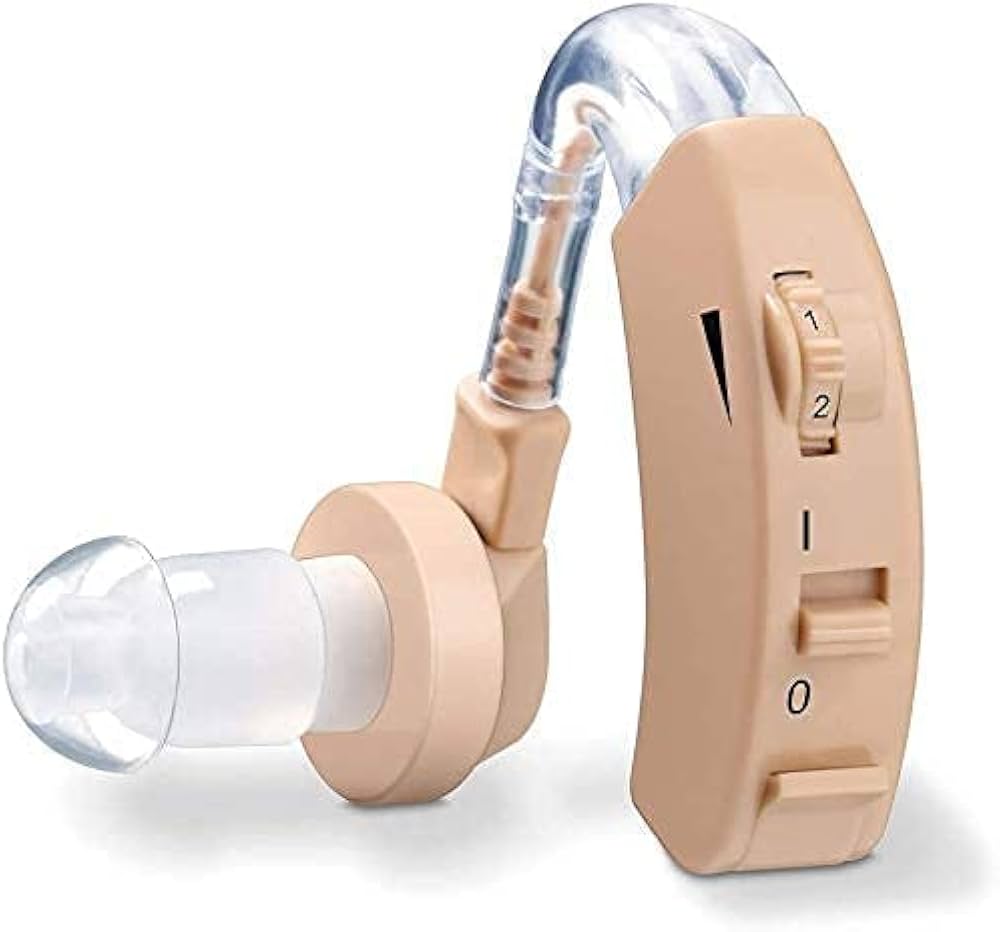
On the other hand, Behind-the-Ear devices are designed to sit discreetly behind the ear. They are often larger than RIC models but are known for housing powerful amplifiers, making them suitable for a more extensive range of hearing loss severity. BTE aids also tend to have longer battery life given their size and are primarily preferred for users seeking user-friendly options with easy dexterity for handling.
Ultimately, the choice of style hinges on personal preference, lifestyle needs, and the specific type and severity of hearing loss experienced. Consulting with an audiologist can help clarify which style best matches your requirements.
Understanding Connectivity: Bluetooth and Beyond
Connectivity plays an increasingly significant role in modern hearing aids, enriching the user experience while streamlining access to audio from various devices. Bluetooth connectivity stands out as a groundbreaking innovation in hearing technology. Many hearing aids now feature Bluetooth connections, facilitating direct streaming from smartphones, tablets, and televisions. You can control the volume or switch programs directly via a mobile app, blessing you with user-friendly mechanics you mildly overlooked before.
In addition, more advanced hearing aids also offer features like telecoil, which can help individuals connect their devices directly with loop systems found in public places, such as theaters or places of worship. This further enhances sound clarity and the overall listening experience.
As hearing aids continue to evolve, manufacturers are striving to develop products that not only improve hearing but also enhance connectivity and compatibility with other technologies—a trend that will likely redefine not just how we use hearing aids, but how we interact with technology as a whole.
Getting the Most out of Your Purchase: Tips and Tricks
How to Adjust to Your New Hearing Aids Efficiently
Adjusting to new hearing aids can be a challenge; however, there are several techniques to ease this transition. Initially, acclimatization typically requires patience, as your brain must adjust to processing sounds that you have not heard clearly for some time. Begin by wearing your hearing aids for short periods in quiet environments, gradually increasing usage in busier places as you feel more comfortable.
It’s essential to remember that some discomfort is normal when wearing new hearing aids; however, if you experience consistent pain or extreme discomfort, it may signal the need for professional adjustments. Regular follow-ups with your audiologist are a good idea to ensure the devices’ programming meets your evolving needs. Also, be open to using communication strategies that support your new hearing profile—this might involve speaking clearly or minimizing background noise during conversations.
Lastly, engage in social activities as part of your adjustment process. Interacting with friends and family in varied locations will help you grow comfortable with your new hearing range while allowing you to witness the benefits firsthand as you reconnect with loved ones.
Maintenance and Care: Ensuring Longevity of Your Devices
Like any electronic devices, hearing aids require regular maintenance to ensure longevity and optimal performance. Start by establishing a daily cleaning routine; earwax or moisture buildup can lead to performance issues, so gently cleaning your hearing aids nightly can drastically affect their functionality. Consider investing in a hearing aid cleaning kit, which typically includes tools to remove debris, wax guards, and brushes designed for delicate surfaces.
Furthermore, allow your hearing aids to air out overnight in a dry, cool environment, particularly if they are rechargeable. Those using disposable batteries should replace them regularly to maintain consistent sound quality; be vigilant about checking battery life to avoid experiencing unexpected silence in important conversations. Additionally, shield your hearing aids from extreme temperatures or moisture exposure, as these can damage the internal microelectronics and affect overall performance.
By incorporating these practices into your daily routine, you’ll not only enhance the longevity of your hearing aids but also ensure that they serve you well as colorful enhancers in your auditory landscape.
Resources for Continued Support: Online Communities and Forums
Finally, tapping into resources for continued support can prove invaluable as you navigate your hearing aid journey. Online communities, forums, and social media groups centered on hearing health can offer experiences, advice, and emotional backing as you adjust to using hearing aids. Consider joining platforms like Reddit or Facebook groups designed for hearing aid users to share stories, discuss challenges, and find encouragement. Engaging with peers who have gone through similar journeys can provide guidance and morale as you embrace new strategies for better hearing.
Additionally, many manufacturers offer dedicated online support resources, including instructional videos, FAQs, and even customer support via FAQs or chat. Make sure to use available tech support as you familiarize yourself with your hearing aids’ capabilities and features. Armed with community support and informational resources, you will be better equipped to manage your hearing challenges effectively.
Overall, purchasing hearing aids online can be a beneficial and empowering experience if approached thoughtfully and strategically. By understanding your needs, exploring reputable options, and leveraging technology, you can enhance your auditory experiences and reconnect with the sounds of the world around you.
FAQ
Question: How can I determine which hearing aid style suits me best? – The choice between Receiver-in-Canal (RIC) and Behind-the-Ear (BTE) hearing aids depends on personal preference, lifestyle needs, and the severity of your hearing loss. Consulting with your audiologist can help clarify which style is best for your unique requirements.
Question: Are there specific features I should prioritize when buying hearing aids? – Important features to consider include noise-reduction technology, Bluetooth connectivity, battery life, and compatibility with smartphones. Prioritize based on your personal hearing loss, lifestyle, and daily environment.
Question: What is tele-audiology and how does it work? – Tele-audiology provides remote consultations with audiologists, allowing users to receive professional advice and support through video calls or telecommunication tools. This feature can make the purchasing process more convenient.
Question: What should I do if my hearing aids are uncomfortable? – If your hearing aids cause consistent pain or discomfort, it’s important to consult your audiologist. They can make necessary adjustments to ensure a proper fit and optimal comfort.
Question: How often should I clean my hearing aids? – It’s advisable to clean your hearing aids daily to prevent earwax buildup and moisture. A regular cleaning routine will help maintain performance and prolong the lifespan of your devices.
Question: Can I return hearing aids if they do not suit my needs? – Many retailers offer return policies that allow you to return or exchange hearing aids within a specified period, often ranging from 30 to 90 days. Always check the return policy before purchasing.
Question: How can I stay informed about new hearing aid technologies? – To stay updated on new technologies, consider following audiology blogs, participating in online forums, and subscribing to newsletters from reputable hearing aid manufacturers.
Question: What are the advantages of AI in modern hearing aids? – AI in hearing aids enhances sound quality by distinguishing between speech and background noise, allowing for automatic adjustments based on listening environments, thus improving the overall user experience.
Useful Resources
- American Speech-Language-Hearing Association (ASHA)
- Healthy Hearing
- Hearing Loss Association of America (HLAA)
- National Institute on Deafness and Other Communication Disorders (NIDCD)
- American Academy of Audiology
- S. Department of Health & Human Services
- Centers for Disease Control and Prevention (CDC) – Hearing Loss
- Hear-it.org

Comments are closed.