

Understanding the Importance of Septic Tank Maintenance
The Role of Septic Systems in Your Home
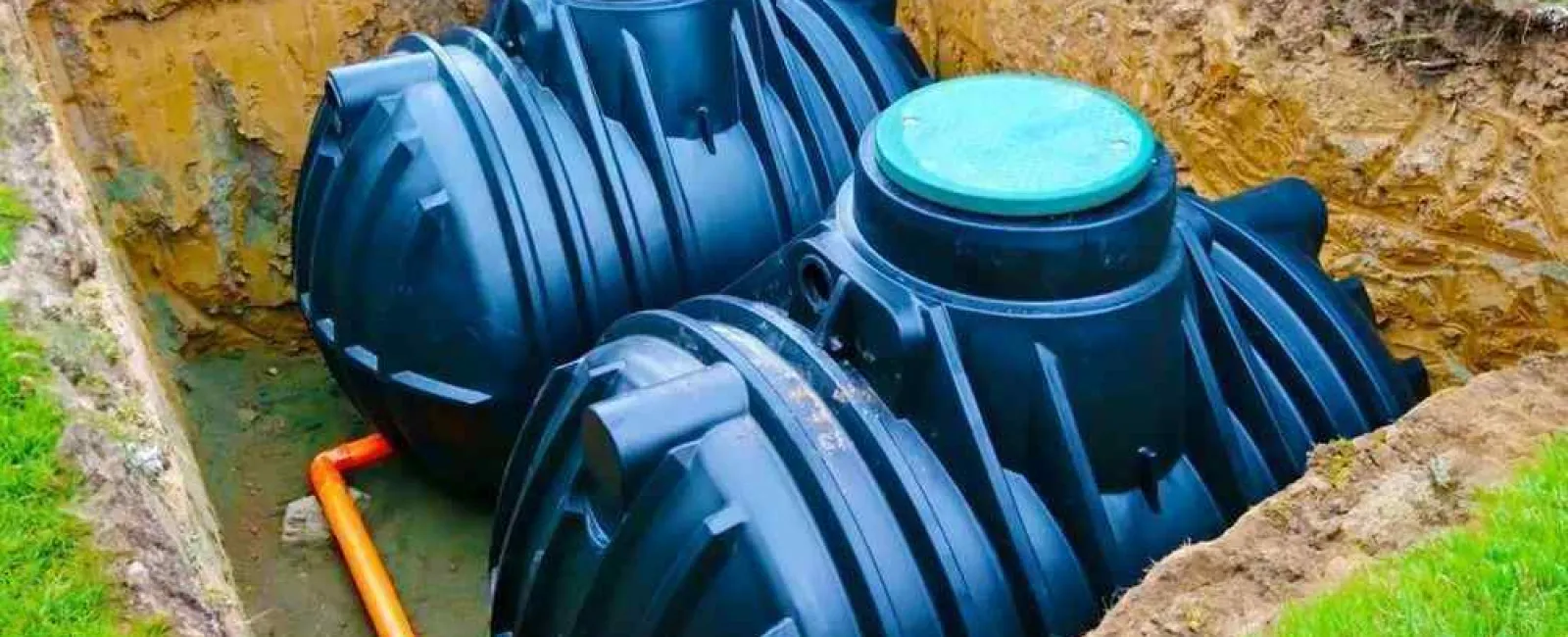
Septic systems play a critical role in managing waste for households that are not connected to a municipal sewer system. These self-contained systems are responsible for treating wastewater from toilets and other household drains. In essence, your septic tank acts as a mini wastewater treatment facility. As wastewater flows into the septic tank, it is separated into solids that settle at the bottom, creating sludge, and liquids that flow through to a drain field. This dual process minimizes environmental impact while ensuring your family has a safe and efficient way to manage household sewage. Understanding this fundamental role emphasizes the importance of regular upkeep, as failure to do so can lead to system failures and health hazards.
Common Signs That Your Septic Tank Needs Attention
Recognizing the signs that your septic system may need service or repair is crucial for preventing costly issues down the line. Homeowners should stay alert for several telltale signs indicating potential problems. These include slow drains, sewage backups, and unpleasant odors emanating from your property. A rich, lush patch of grass above the drain field can also reveal that groundwater is contaminated with effluent, indicating a malfunctioning system. If you experience any of these issues, don’t hesitate – early intervention can save you significant money and hassle. Keeping an eye out for these signals can provide vital clues to the overall condition of your septic system.
Long-Term Benefits of Regular Maintenance
The long-term benefits of regular septic tank maintenance cannot be overstated. A well-maintained septic system can last upwards of 30 years, effectively saving homeowners from the financial burden of premature replacements and extensive repairs. More than just a cost-saving measure, regular maintenance enhances the efficiency of your system, ensuring that waste is processed effectively and reducing the risk of discharges into the surrounding environment. Additionally, proper upkeep can increase your property value, as prospective buyers will view a functioning septic system as a significant asset. Ultimately, regular maintenance of your septic tank promotes sustainability and helps protect local water resources through preventing contamination.
What to Look for in a Septic Tank Service Provider
Credentials and Certifications: Why They Matter
When searching for a reliable septic tank service provider, credentials and certifications should be at the top of your list. Not all service providers are created equal; a licensed contractor implies that they have met state or local requirements, demonstrating a fundamental competency in septic system maintenance and installation. Certifications from recognized professional organizations, like the National Association of Wastewater Technicians, can signal a contractor’s commitment to industry standards and continuing education. These certifications not only showcase technical expertise but also adherence to safety regulations and environmental laws. Always verify credentials and ask for proof of insurance to ensure that you’re hiring a trustworthy provider.
Customer Reviews: How to Navigate the Noise
In the age of online information, customer reviews have become a staple of the decision-making process for homeowners. However, navigating through this sea of opinions can be overwhelming. Look for patterns in the feedback—if multiple reviews highlight the same positive or negative aspects, those qualities are likely reliable indicators of service quality. Pay special attention to reviews that discuss communication, punctuality, and workmanship. Platforms like Yelp, Google Reviews, and Angie’s List can provide valuable insights, but always consider the context in which the review was written. For instance, a few negative reviews in a sea of positive feedback may not necessarily indicate a bad business. Take the time to read through all comments, weighing both five-star and one-star experiences.
Service Range: Understanding What Your Septic Needs
When evaluating septic tank services, understanding the scope of their services is crucial. Some companies may only perform pump-outs while others offer a comprehensive range of services including inspections, repairs, and installation of new systems. It’s essential to choose a provider whose service range aligns with your current and future needs. If your system has specific issues, such as tree root intrusion or leaking tanks, ensure the provider you choose has the expertise and equipment necessary to tackle these specific problems. Additionally, inquire about their approach to preventive maintenance; a provider that emphasizes long-term care will likely contribute to your septic tank’s longevity. Understanding what services you’ll need and ensuring your provider can meet those needs will set you on the right path.
Key Questions to Ask Before Hiring a Septic Tank Service
Service Pricing: What’s Fair and What’s Fishy?
Identifying fair service pricing can save you both money and dissatisfaction. Pricing for septic tank services can vary significantly based on factors such as the company’s reputation, geographic location, service range, and the size of your tank. Before committing to a service provider, request a detailed written estimate that breaks down the costs associated with the work to be performed. This breakdown should indicate the base cost for service, labor, potential additional fees for unexpected repairs, and material costs. Be wary of quotes that seem significantly lower than those of competitors; these may indicate a lack of thoroughness in service or hidden costs waiting to be revealed upon completion of the job. By asking the right questions about pricing and seeking clarification on potential extra charges, you can make an informed decision.
Timeframes and Availability: Planning Ahead
The timeframe in which services can be rendered is another essential consideration. Depending on the nature of your septic system’s problems, service timelines can vary widely. Be upfront with the company about your needs and any time constraints you may have. Reliable providers will often provide a clear timeline for when they can begin work and a realistic estimate of the completion date. This is particularly important for emergency services, where delays can lead to more significant issues. Understanding your service provider’s availability can help you schedule routine maintenance effectively, ensuring your system does not fall into disrepair due to neglect.
The Importance of Local Expertise and Knowledge
Local expertise is one of the most underrated qualities when choosing a septic tank service provider. Local companies possess a comprehensive understanding of the soil, climate, and regulations that affect your septic system’s performance in your specific region. They are more likely to know common issues specific to your area and can offer more tailored solutions. Moreover, supporting local businesses contributes to your community and is typically easier to contact in case of emergencies versus larger, national providers. Take the time to ask about their familiarity with local regulations and conditions; this knowledge can significantly influence the effectiveness and longevity of your septic system.
Red Flags: Signs You Chose the Wrong Septic Tank Service
Poor Communication: When to Walk Away
Poor communication is often the first sign of a problematic septic tank service provider. Clear and transparent communication is vital for building trust and understanding your needs. If a provider is unresponsive to calls and emails, or if they provide vague answers to your questions, consider this a red flag. Effective communication includes not only timely responses but also providing clear explanations about the work being performed and the reasons behind it. If a company seems rushed or dismissive, it may indicate a more significant issue with their customer service outlook. Remember, when it comes to your home, especially concerning a critical system like your septic tank, you should feel confident and informed, not left in the dark.
Lack of Transparency: The Dangers of Hidden Fees
A reputable septic tank service provider should be transparent about their pricing structure and any potential additional fees. Be vigilant if you receive vague estimates that fail to itemize costs or if the company suddenly increases the price post-service without prior agreement. Hidden fees can wreak havoc on your budget and lead to distrust. A trustworthy company will be upfront about any factors that might affect the total cost of service, such as required repairs that were not initially identifiable. Take the time to compare estimates and clarify potential additional charges with other companies to ensure you’re not settling for less than adequate service.
Quality of Work: How to Assess After the Job is Done
Finally, assessing the quality of the work performed is paramount after any service is completed. Even if the service provider has stellar reviews, it’s essential to monitor the effectiveness of the work done on your septic system. Look for signs of improvement; drainage should be efficient, and any unpleasant odors should be eliminated. Assess any repairs made and monitor your system’s performance shortly after service completion. If problems persist, it’s vital to reach back out to the provider while still under their warranty or customer service policy. Trust your instincts; if you feel the quality of work performed does not match the expectations set before the job began, addressing these concerns immediately can help hold the service provider accountable.
In conclusion, managing your septic tank requires a proactive approach, from understanding its significance to making informed choices about service providers. By prioritizing maintenance and following these detailed guidelines, you can ensure a long-lasting, efficient septic system that continues to serve you and your household for years to come.
FAQ
Question: How often should I schedule septic tank maintenance? – It is generally recommended to have your septic tank pumped and inspected every 3 to 5 years, depending on household usage and the size of the tank.
Question: Can I perform maintenance on my septic tank myself? – While minor tasks like monitoring drain function and observing for odors can be done by homeowners, it’s essential to leave major maintenance and repairs to qualified professionals for safety and compliance reasons.
Question: What should I do if I suspect a septic system failure? – If you notice signs of a failure, such as sewage backups or unusual odors, you should contact a licensed septic service provider immediately to assess and address the issue.
Question: Are there environmentally safe products I can use for septic maintenance? – Yes, there are specially formulated biological additives that can help maintain septic health without harming the environment. Be sure to research or consult your service provider before use to ensure compatibility.
Question: What factors influence the cost of septic tank services? – Costs can vary based on the size of your tank, the scope of services required (like pumping, repairs, or installations), and your geographic location.
Question: How can I tell if the septic tank service I chose is reputable? – Look for credentials, customer reviews, and transparent pricing. Asking for references and checking their track record with local regulations can also help.
Question: Do I need a permit for septic tank installation or major repairs? – Yes, in most regions, a permit is required for new installations and major repairs to ensure compliance with local health and safety regulations.
Question: What is the lifespan of a septic system? – A well-maintained septic system can last over 30 years, but factors like installation quality, maintenance frequency, and usage greatly influence its longevity.
Useful Resources
- Environmental Protection Agency (EPA)
- National Association of State Administrators of Agriculture (NASS)
- National Association of Judicial Courts (NAJC)
- National Association of Wastewater Technicians (NAWTEC)
- Centers for Disease Control and Prevention (CDC)
- National Institute of Food and Agriculture (NIFA)
- American Septic Association (ASA)
- National Association of Septic System Installers (NASSI)

Comments are closed.