

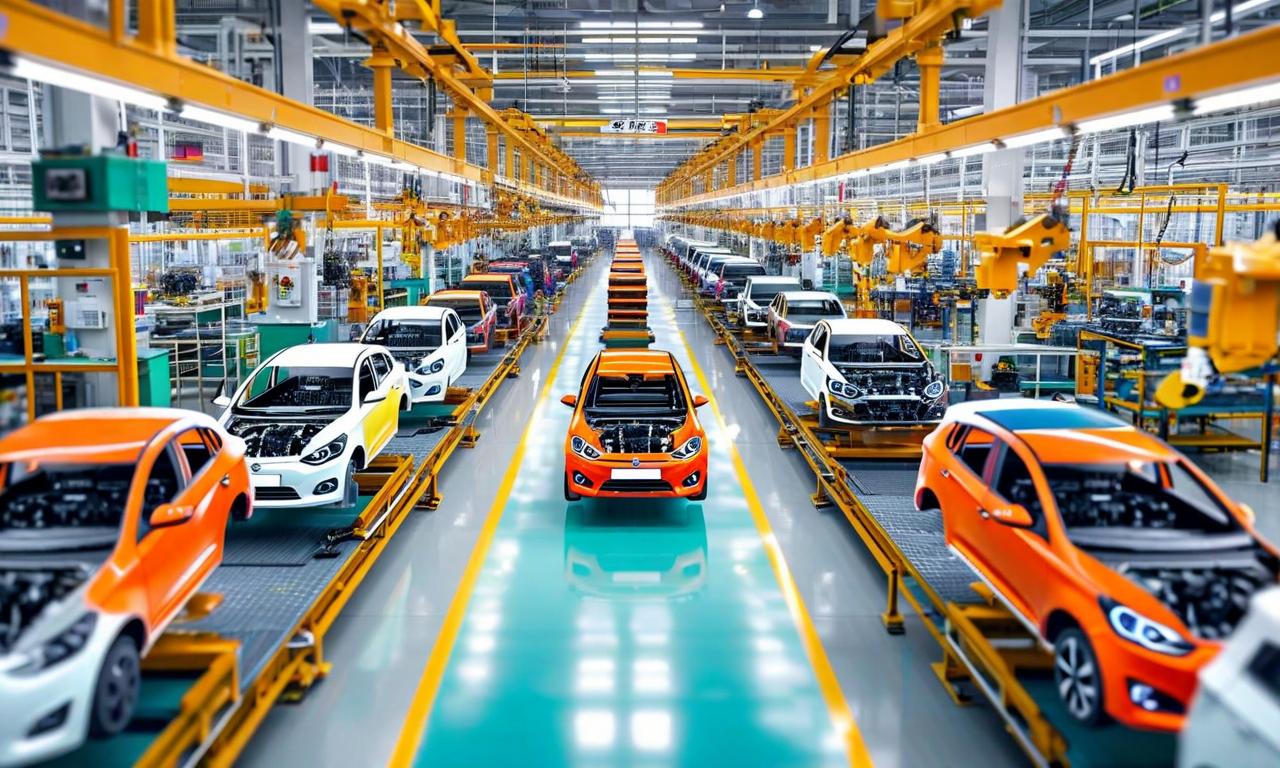
The term auto, short for automobile, represents one of the most transformative inventions of the modern era. Automobiles have reshaped human civilization, influencing urban planning, economic structures, and social mobility. From the earliest steam-powered vehicles to today’s electric and autonomous cars, the journey of autos reflects an intersection of engineering ingenuity, environmental concerns, and consumer culture. Understanding the full spectrum of the automotive industry involves examining its history, technology, market dynamics, and emerging trends that continue to redefine mobility.
The Historical Journey of the Automobile
The Early Beginnings
The concept of self-propelled vehicles dates back to the late 18th century. Early attempts included steam-powered wagons and experimental electric vehicles. While these prototypes were rudimentary, they laid the groundwork for innovations that would follow.
- 1769: Nicolas-Joseph Cugnot built the first full-scale, steam-powered vehicle capable of carrying passengers.
- 1830s: Robert Anderson developed an early electric carriage, though limitations in battery technology hindered widespread adoption.
The Gasoline Revolution
The late 19th century witnessed a critical breakthrough with the internal combustion engine. German inventors Karl Benz and Gottlieb Daimler played pivotal roles in developing gasoline-powered vehicles that could operate efficiently over long distances.
- 1886: Karl Benz’s Patent-Motorwagen is widely recognized as the first true automobile designed for commercial use.
- Early 1900s: Henry Ford revolutionized auto manufacturing by introducing the assembly line, making vehicles more affordable and accessible to the masses.
This period marked the beginning of the automobile as a central element of modern society, not merely a novelty.
Components and Engineering of Modern Autos
Internal Combustion Vehicles
Traditional autos primarily rely on gasoline or diesel engines. These engines convert chemical energy into mechanical energy through a series of controlled combustions.
- Engine Block: The core of the vehicle where fuel combustion occurs.
- Transmission System: Transfers engine power to the wheels efficiently.
- Suspension and Chassis: Ensures stability, handling, and comfort.
While combustion vehicles dominated the 20th century, environmental concerns have prompted the exploration of cleaner alternatives.
Electric and Hybrid Vehicles
Electric autos leverage batteries and electric motors, offering reduced emissions and greater energy efficiency. Hybrid vehicles combine gasoline engines with electric motors to optimize fuel consumption.
- Battery Technology: Lithium-ion batteries are the most common, offering high energy density and faster charging.
- Regenerative Braking: Converts kinetic energy back into battery power, increasing efficiency.
- Power Electronics: Manages energy distribution between battery and motor for smooth acceleration.
Electric and hybrid vehicles symbolize a fundamental shift toward sustainable mobility, responding to global demands for cleaner transportation.
Autonomous Vehicle Technology
Self-driving or autonomous vehicles represent the frontier of automotive innovation. Leveraging artificial intelligence, sensors, and advanced computing, these autos aim to reduce human error and improve road safety.
- LIDAR and RADAR Sensors: Provide real-time mapping of the vehicle’s environment.
- AI Algorithms: Enable decision-making for navigation, speed control, and obstacle avoidance.
- Connectivity Systems: Integrate vehicle-to-vehicle (V2V) and vehicle-to-infrastructure (V2I) communication for coordinated traffic management.
The rise of autonomous vehicles is not just a technological trend; it reflects a societal shift toward safer, more efficient, and interconnected mobility.
The Economic Impact of the Auto Industry
Global Market Dynamics
The automobile industry is one of the largest economic sectors worldwide. It provides millions of jobs, drives technological innovation, and contributes significantly to national GDPs.
- Employment: Engineers, designers, assembly line workers, and software developers all rely on the auto sector.
- Innovation Spillovers: Advancements in automotive technology often influence related industries such as energy, electronics, and materials science.
- Trade and Investment: Countries with strong automotive sectors benefit from exports and foreign investment, fueling broader economic growth.
Consumer Behavior and Market Trends
Consumer preferences heavily influence auto manufacturing and design. Increasing awareness of sustainability, safety, and digital integration has reshaped purchasing decisions.
- Eco-Conscious Buyers: Demand for electric and hybrid autos is rising.
- Smart Technology Integration: Features such as infotainment systems, driver-assist technologies, and AI-driven analytics enhance consumer appeal.
- Subscription Models: New ownership trends, including car-sharing and subscription services, reflect changing urban mobility patterns.
Understanding these dynamics helps automakers align production strategies with market expectations, ensuring long-term viability.
Challenges Facing the Auto Industry
Environmental Concerns
Despite advancements in electric and hybrid technologies, the automobile sector remains a significant source of pollution.
- Carbon Emissions: Internal combustion engines contribute heavily to greenhouse gas emissions.
- Battery Disposal: End-of-life battery management poses ecological risks.
- Urban Congestion: Increased vehicle density exacerbates pollution and traffic issues.
Addressing these challenges requires a combination of policy intervention, technological innovation, and consumer adaptation.
Supply Chain and Production Hurdles
Global supply chain disruptions, such as semiconductor shortages, have exposed vulnerabilities in auto manufacturing.
- Raw Material Dependency: Rare metals for batteries and components are often concentrated in a few countries, posing geopolitical risks.
- Production Costs: Advanced technologies like autonomous systems increase manufacturing complexity and cost.
- Logistics and Delivery: Delays in component availability can stall production lines and affect global distribution.
Mitigating these challenges requires strategic planning, diversified sourcing, and investment in resilient manufacturing processes.
The Future of Automotive Technology
Connected Cars and IoT
The integration of the Internet of Things (IoT) into automobiles is transforming the driving experience. Connected cars collect data from multiple sources, enhancing safety, efficiency, and user convenience.
- Predictive Maintenance: Sensors monitor vehicle health, alerting users to potential issues before failure.
- Traffic Optimization: Real-time data helps manage congestion and improve navigation.
- Enhanced User Experience: Personalization through smart interfaces and seamless connectivity creates a more engaging driving experience.
Sustainable Mobility Solutions
As cities grapple with congestion and environmental impact, alternative mobility solutions are gaining traction.
- Electric Buses and Shared Autos: Reduce per capita emissions and improve urban air quality.
- Micro-Mobility Options: E-scooters and compact electric vehicles complement public transit.
- Renewable Energy Integration: Solar-powered charging stations and green energy initiatives support sustainable auto ecosystems.
Artificial Intelligence and Automation
AI-driven automotive solutions will continue to evolve, impacting both vehicle design and transportation infrastructure.
- Smart Traffic Systems: AI algorithms can optimize city traffic flow, reducing accidents and travel times.
- Autonomous Fleet Management: Logistics and ride-hailing services benefit from AI-powered efficiency.
- Advanced Safety Protocols: Predictive analytics can prevent collisions, enhance pedestrian safety, and improve overall road safety.
Real-Life Applications of Autos
Personal Transportation
Personal vehicles remain the primary mode of transport in many regions, offering freedom, comfort, and reliability.
- Commuting efficiency in suburban and rural areas.
- Enhanced safety with modern features such as airbags, anti-lock brakes, and lane departure warnings.
- Customization options, including luxury, sport, and eco-friendly models.
Commercial and Industrial Use
Autos serve as vital tools in commerce, logistics, and industry.
- Freight Transport: Trucks and delivery vehicles enable timely supply chain operations.
- Construction and Heavy Machinery: Specialized vehicles facilitate infrastructure development.
- Ride-Hailing and Public Transport: Auto platforms support urban mobility solutions efficiently.
Emergency and Specialized Services
Specialized vehicles play crucial roles in public safety, healthcare, and disaster management.
- Ambulances equipped with advanced life-support systems.
- Fire trucks and rescue vehicles designed for rapid response.
- Police and surveillance vehicles integrated with real-time communication tools.
Auto and Society: Cultural and Psychological Impacts
Automobiles influence social structures, lifestyle choices, and even individual identity.
- Cultural Symbolism: Cars often represent status, freedom, and personal taste.
- Lifestyle Flexibility: The ability to travel independently reshapes residential patterns, job accessibility, and leisure activities.
- Psychological Effects: Vehicle choice can impact mental well-being, providing comfort, security, and autonomy.
Understanding the societal implications of autos underscores their significance beyond engineering and economics.
FAQs About Autos
Q1: How do electric vehicles compare to traditional gas-powered autos in long-term costs?
Electric vehicles generally have higher upfront costs but lower maintenance and fuel expenses. Savings on oil changes, brake wear, and electricity usage often offset initial investment over several years.
Q2: Are autonomous vehicles truly safe for public roads?
Autonomous vehicles use AI, LIDAR, and radar systems to enhance safety, but they are not infallible. Safety continues to improve with regulatory oversight, testing, and technological advancement.
Q3: What role do autos play in reducing urban congestion?
Innovations like ride-sharing, connected traffic systems, and micro-mobility solutions help optimize traffic flow and reduce congestion by maximizing vehicle utilization and minimizing idle time.
Q4: How sustainable is the future of electric autos considering battery disposal?
Battery recycling technologies and initiatives to repurpose batteries for energy storage are making EVs more sustainable. Research is ongoing to reduce environmental impacts at every stage of the battery lifecycle.

Comments are closed.